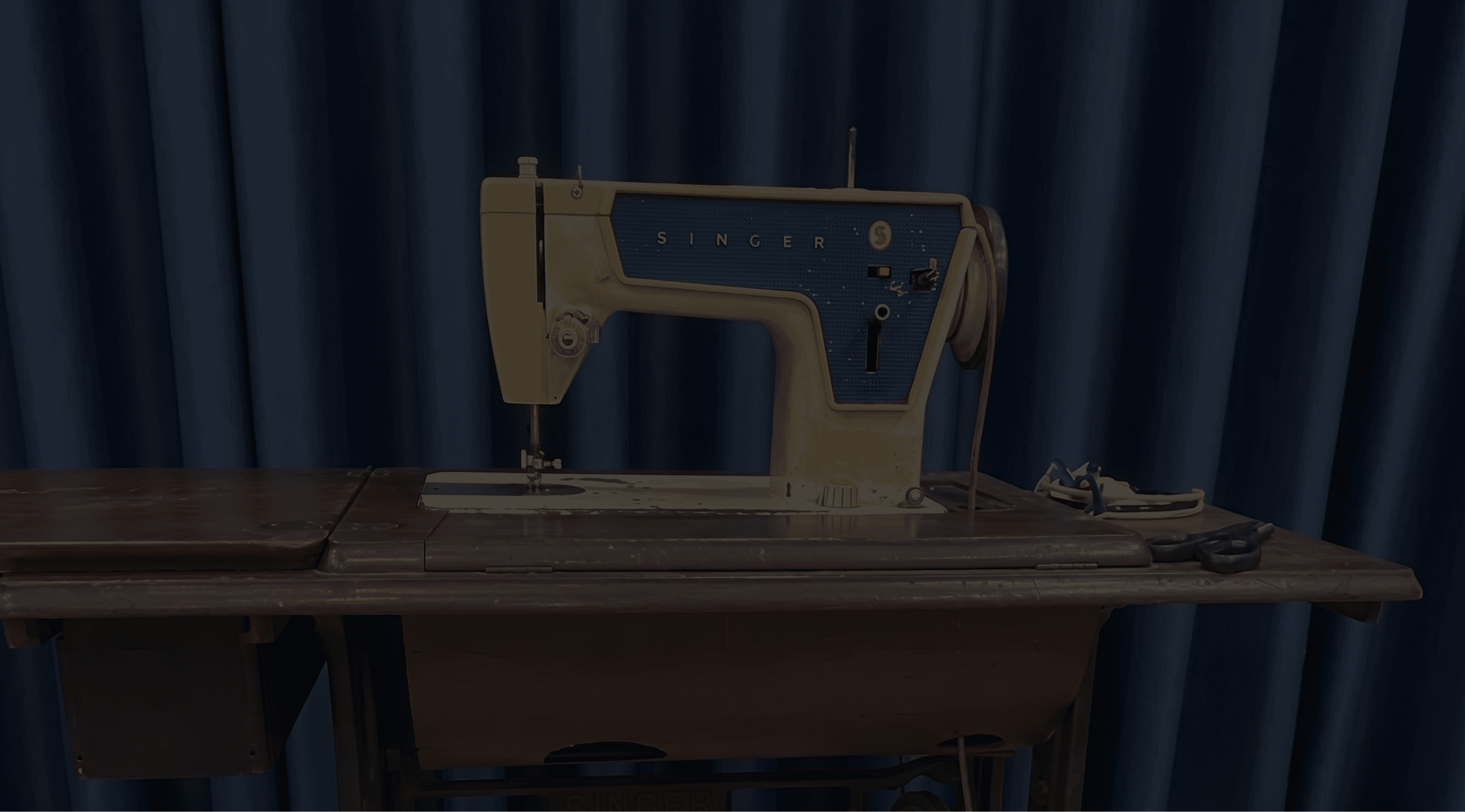
Right here, amid the industrial rhythm of my mother’s heirloom loom, an antique older than her grandparents, all the amazing textile makeovers took place in our home. For exposed seam, using the loom would help to scale stitches consistently. Operating it requires total harmony, a simultaneous dance of hands and feet. Just as that loom is engineered to scale stitches consistently, entrepreneurship is designed to scale goodness to the community.
In my urban city life, weekends were an escape into two distinct worlds. In one, I trailed my mother through bustling wet markets, watching her effortlessly trade with "sisters and brothers" she had known for decades. In the other, my father brought us home to his family's agricultural sanctuary, a fertile Eden bearing endless fruit across generations. These empires were built by my grandparents: market trade on my mother’s side, agribusiness on my father’s.
Naturally, entrepreneurship is in my blood. But I operate in a different era. For my ancestors, business was a burden of survival; for me, it is a creative calling to pioneer change.
Vietnam planted my seed. Singapore’s high-octane startup ecosystem with visionary leaders like Lee Kuan Yew has put the fire in me to venture beyond. After two start-ups, I not only work alongside like-minded entrepreneurs but also touch the lives of people from all walks of life and learn from great leaders at both the industry and governance!
Walk with me through my entrepreneurial loom, where you may stitch your own causes.
(If you have a wild, paradigm-shifting startup idea, let’s have a coffee chat and bring it to life.)
6k herbal tea family business | Founder
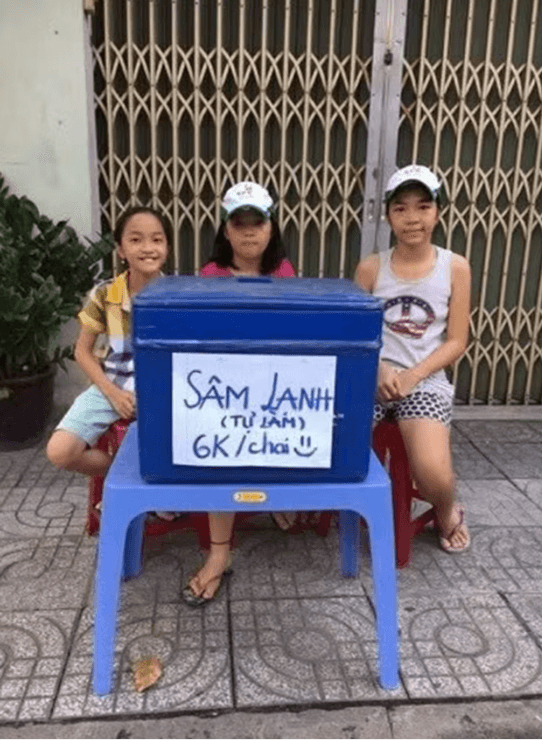
6k and a bottle. No artificial sugar. Yet the impeccable amount of sweetness naturally extracted from the herbal leaves makes Ms Thu's herbal tea unbeatable.
In Saigon’s scorching heat, most teenagers crave the saccharine street drinks that fuel rising diabetes rates. I initially shared this obsession, rejecting the sugar-free herbal tea my mother, Ms. Thu, brewed from scratch. Yet, watching my neighborhood succumb to these noxious, convenient beverages sparked a realization: why not scale up a healthier alternative?
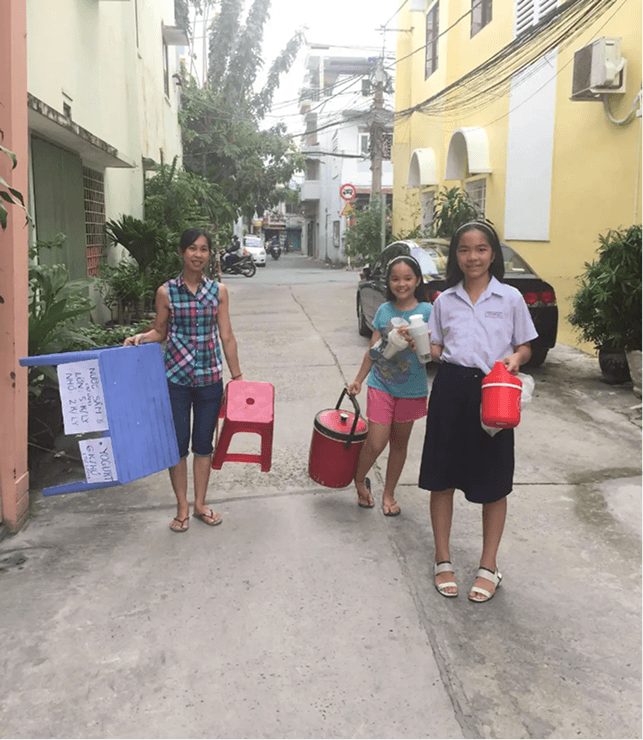
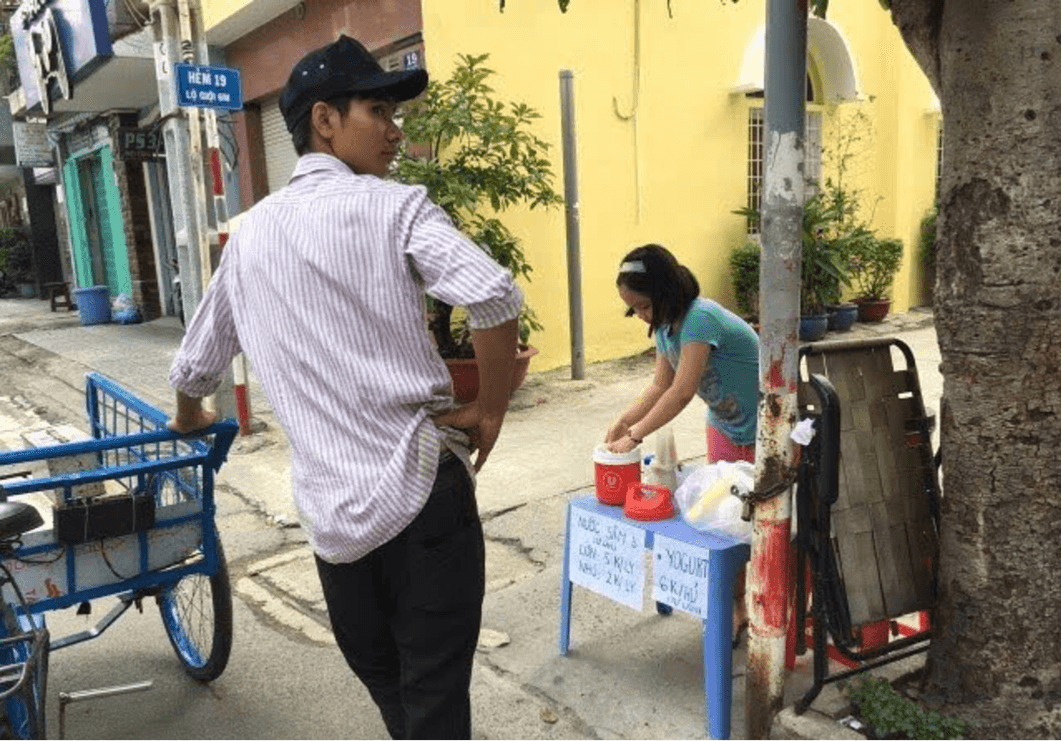
Driven to share my mom's recipe and protect my community, I launched a street-side family venture. My accountant parents and business-major sisters rallied behind me: Dad secured bottles, Mom brewed the soulful tea, and my siblings and I managed the marketing. Selling from a simple thermal cooler on the pavement, we offered refreshing, immune-boosting bottles for just 6,000 VND.
By summer's end, we earned 300,000 VND. More than the profit, this simple startup taught me how a small project can scale into meaningful impact. It became my first language of care, proving that simple, heartfelt interventions can combat widespread health issues, one bottle at a time.
Pleave start-up
pleavetheway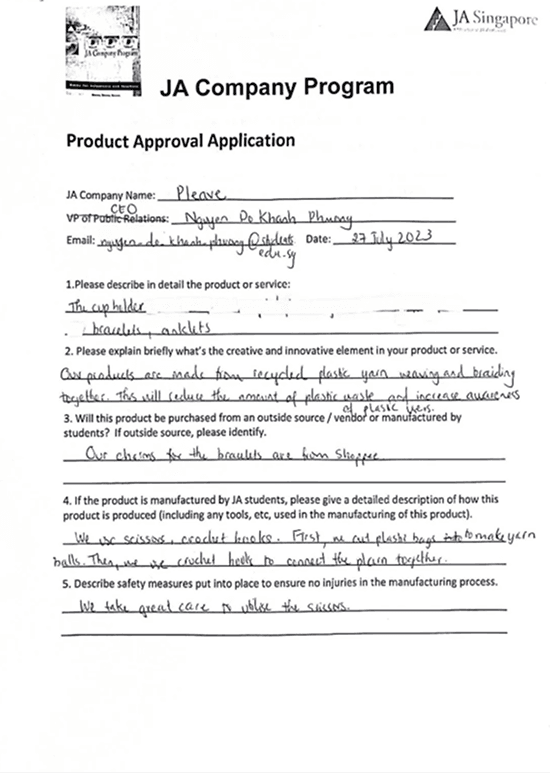
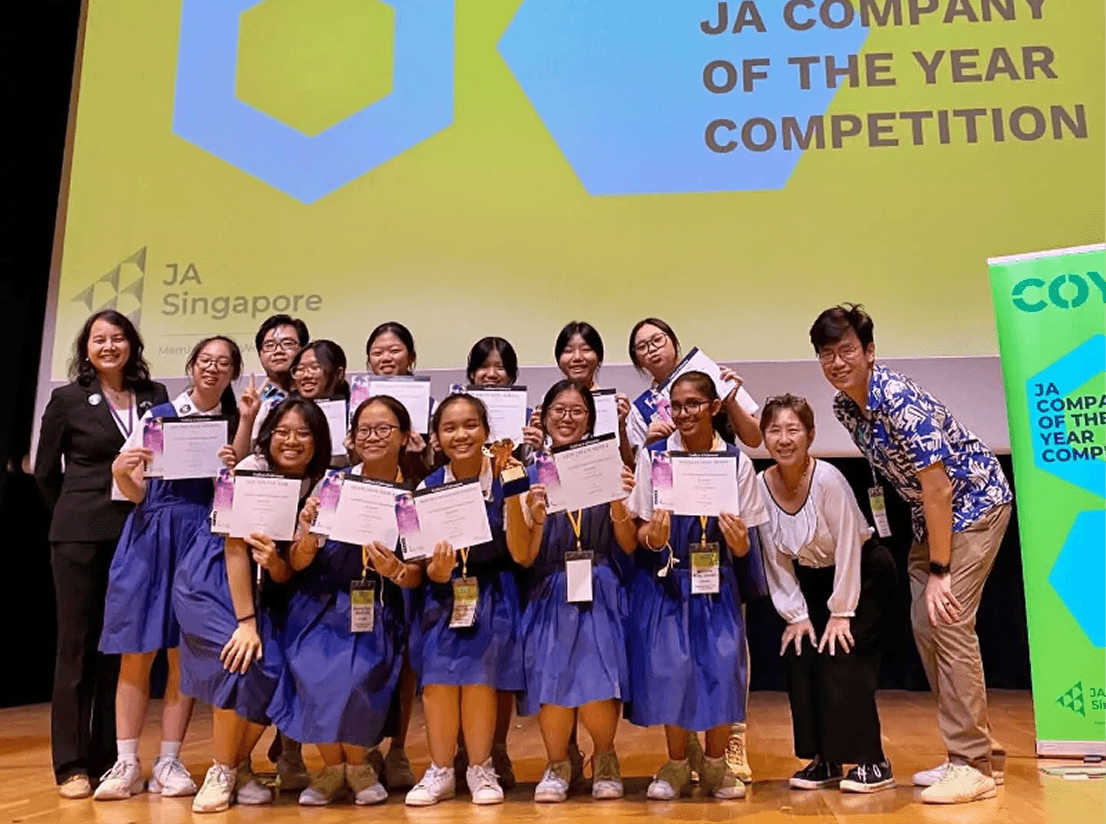
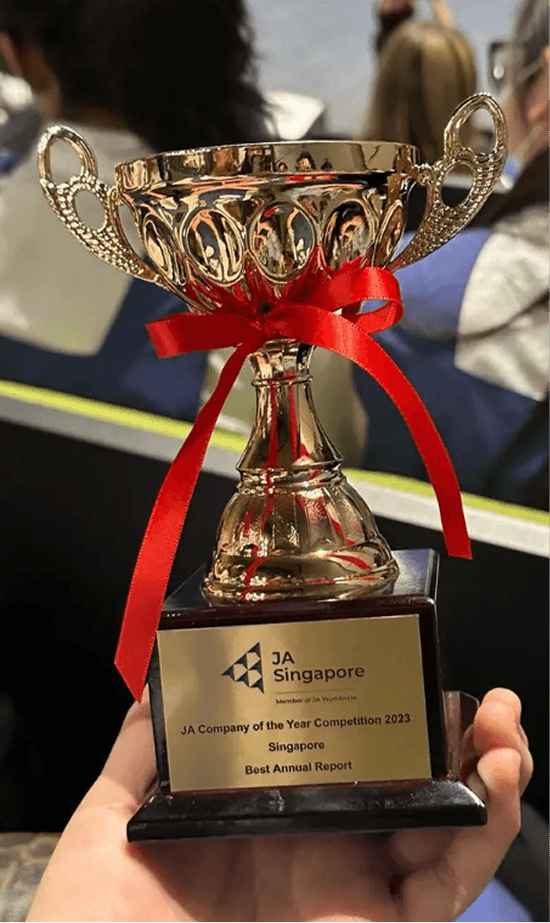
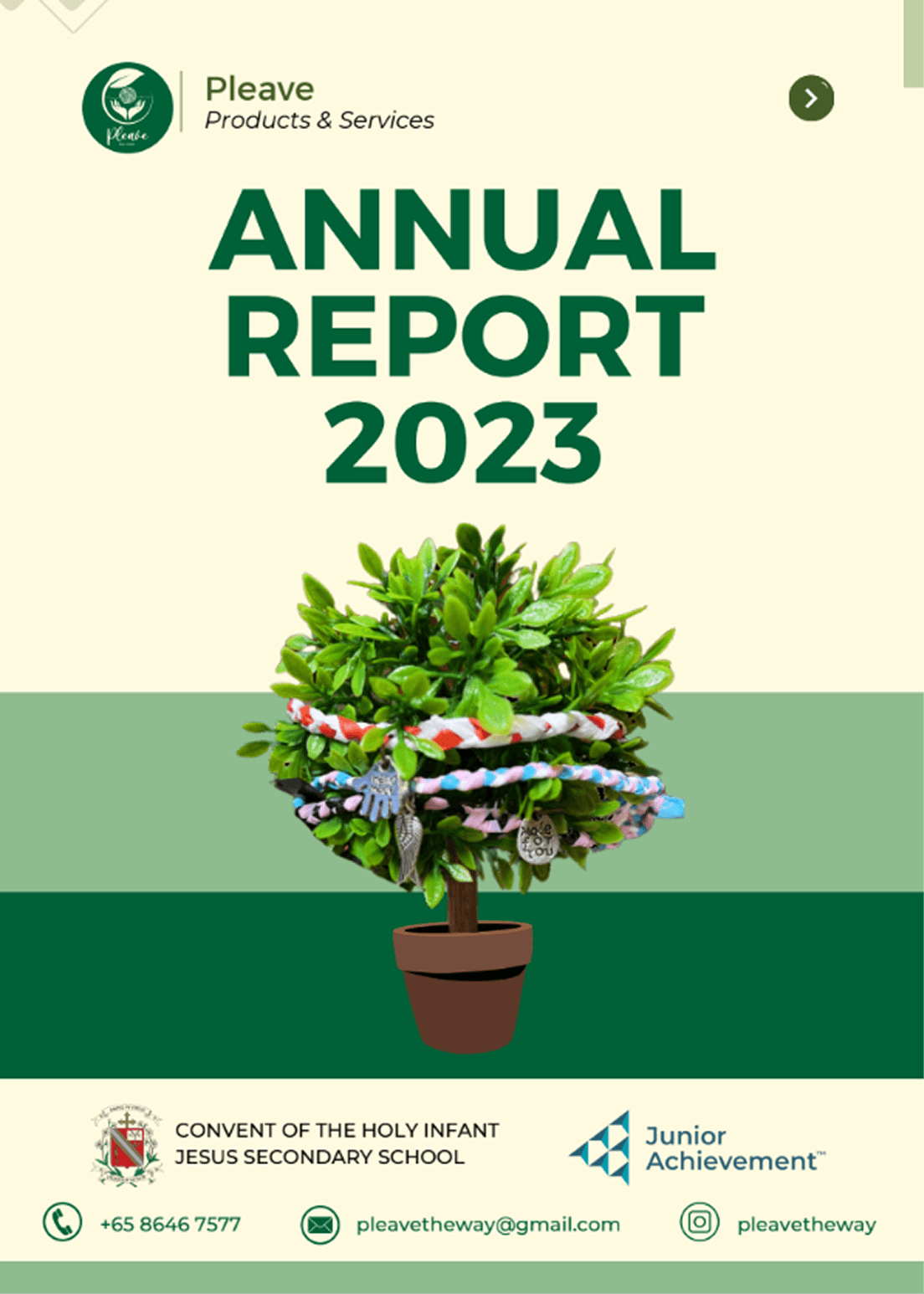 Company best annual report
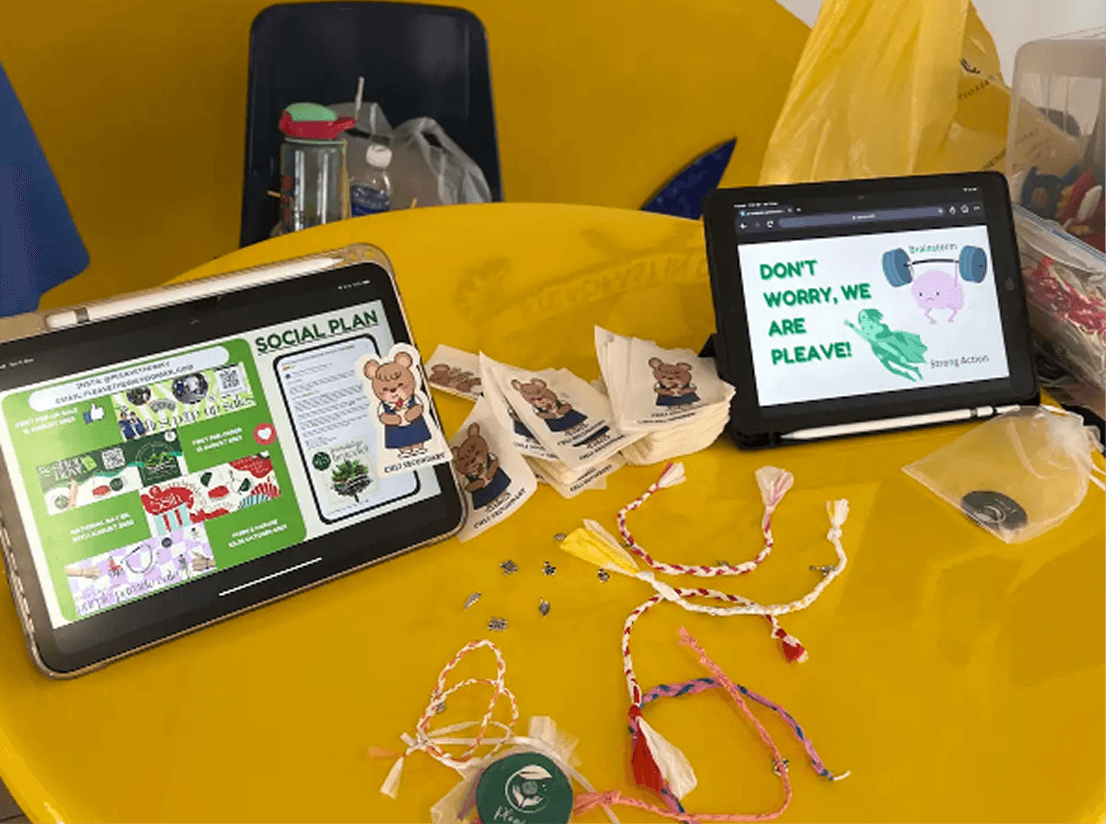
Reflecting on my 6k herbal tea business, the discarded plastic bottles nagged at me. Seeking a sustainable solution, I drew inspiration from Singapore’s green initiatives to co-found Pleave, a student venture tackling single-use plastic in alignment with UNSDG 12.
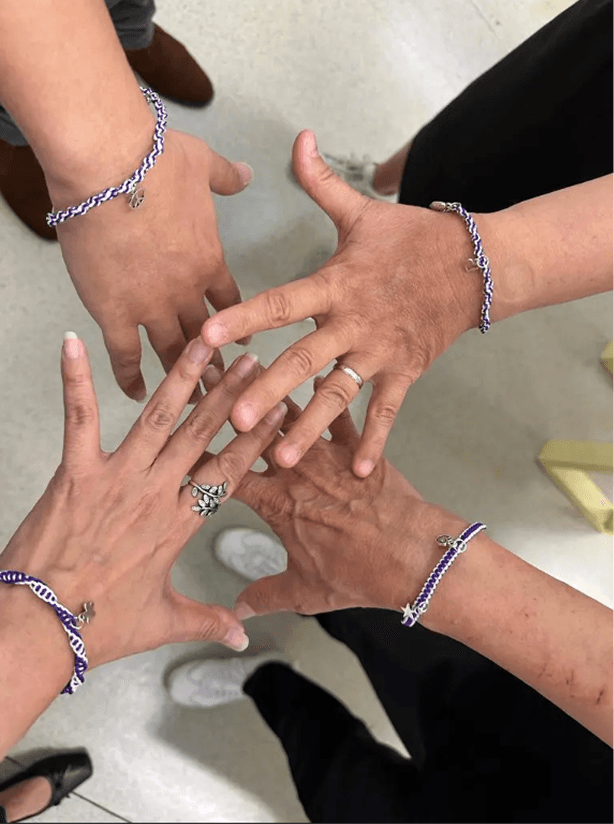
As President, I led our team using Design Thinking to transform flimsy plastic bags into durable yarns, weaving them into colorful bracelets and cup holders. We championed social causes, creating custom purple and white designs for Singapore’s Purple Parade to support people with disabilities. Ultimately, Pleave generated a $270.10 profit, donated $150 to the Singapore Environment Council, and clinched the "Best Annual Report" award at the JA Company of the Year 2024. To us, saving the environment is not about making profit. We want to inspire a change of eco-friendly products that are both transformative yet accessible with affordable prices.
Though Pleave has now liquidated, pitching to judges and networking with global changemakers solidified my macro-to-micro problem-solving. My entrepreneurial spirit to build a sustainable difference for humanity lives on.
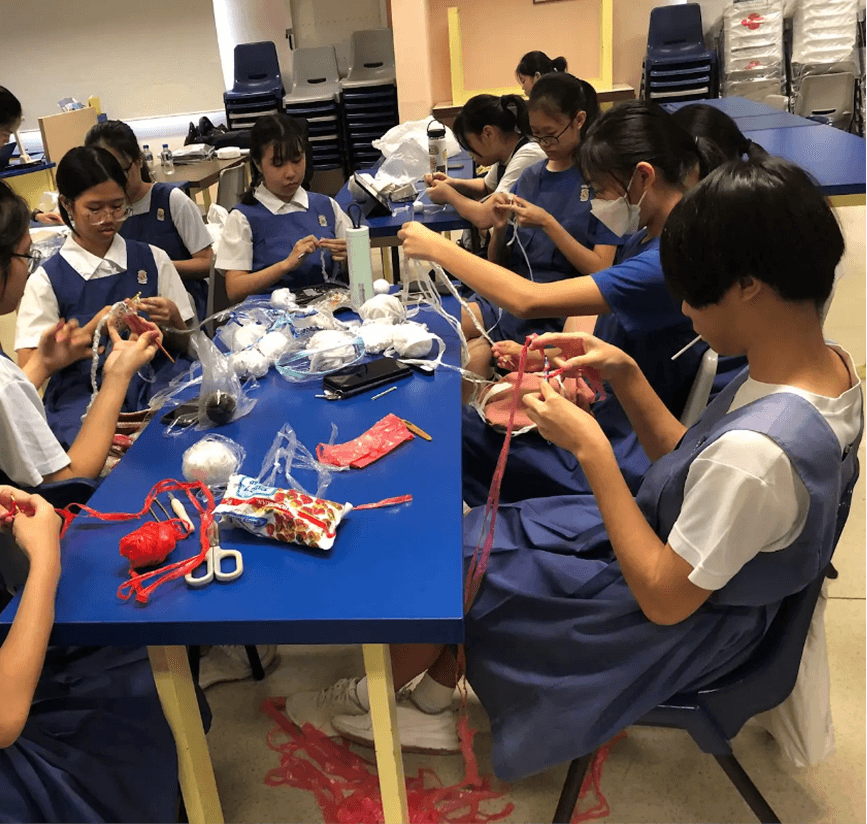
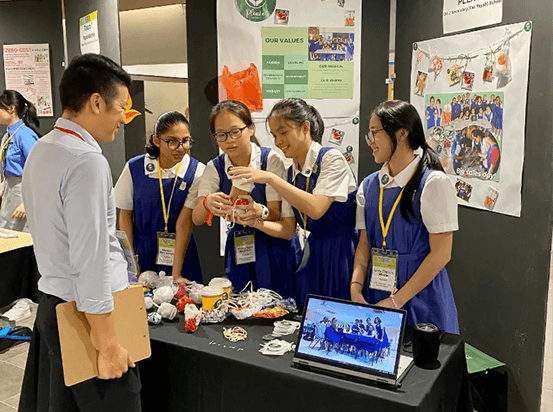
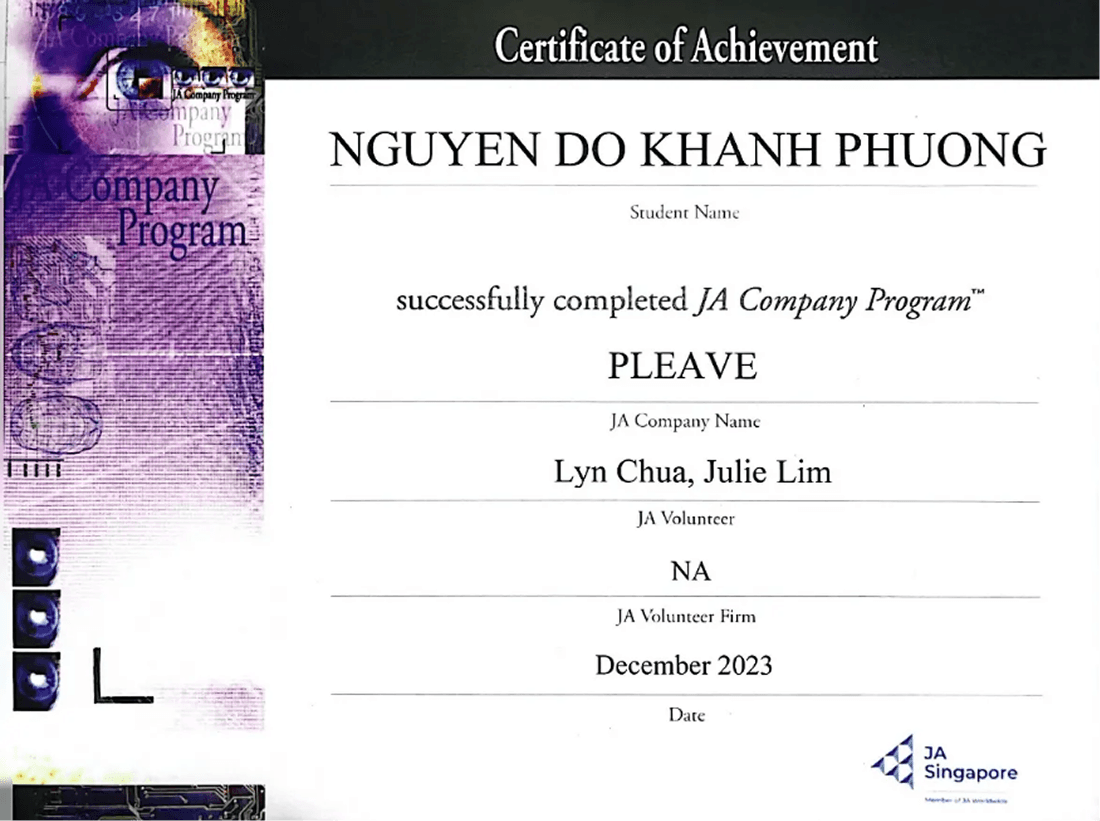
Completion of JA Company Program
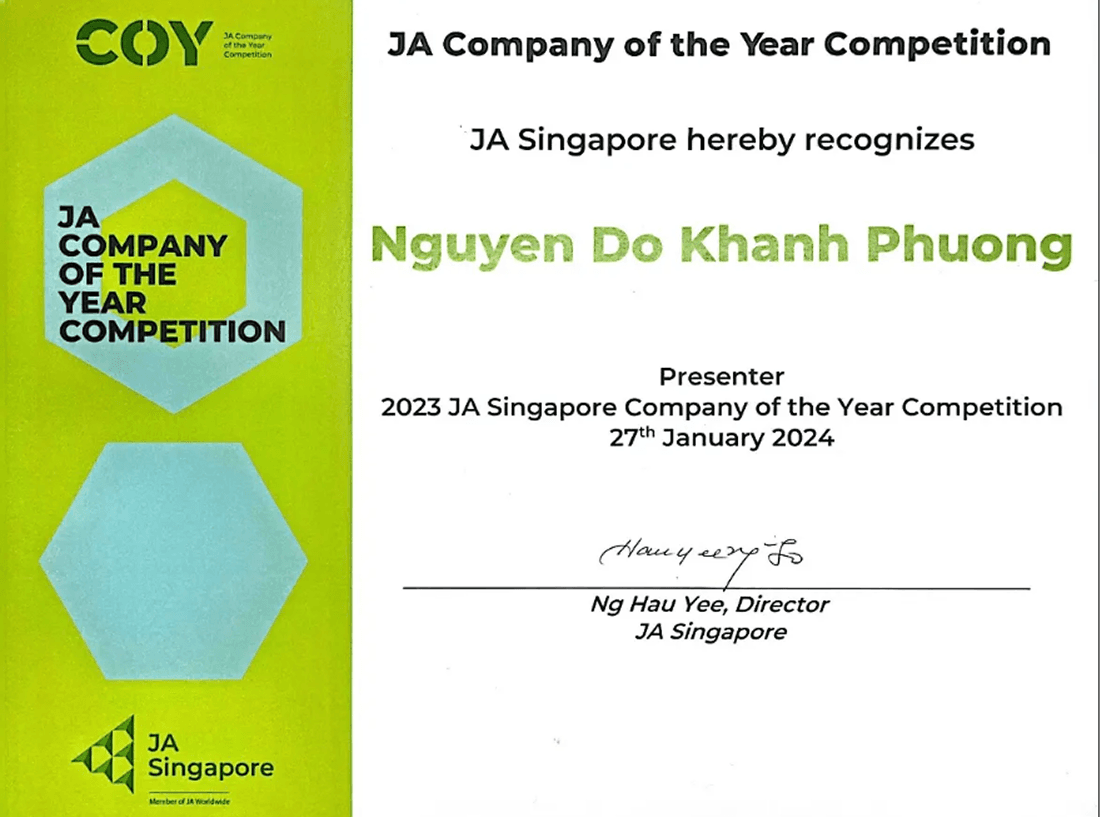
JA Singapore Company of the Year Competition
Econtreprenurship Events
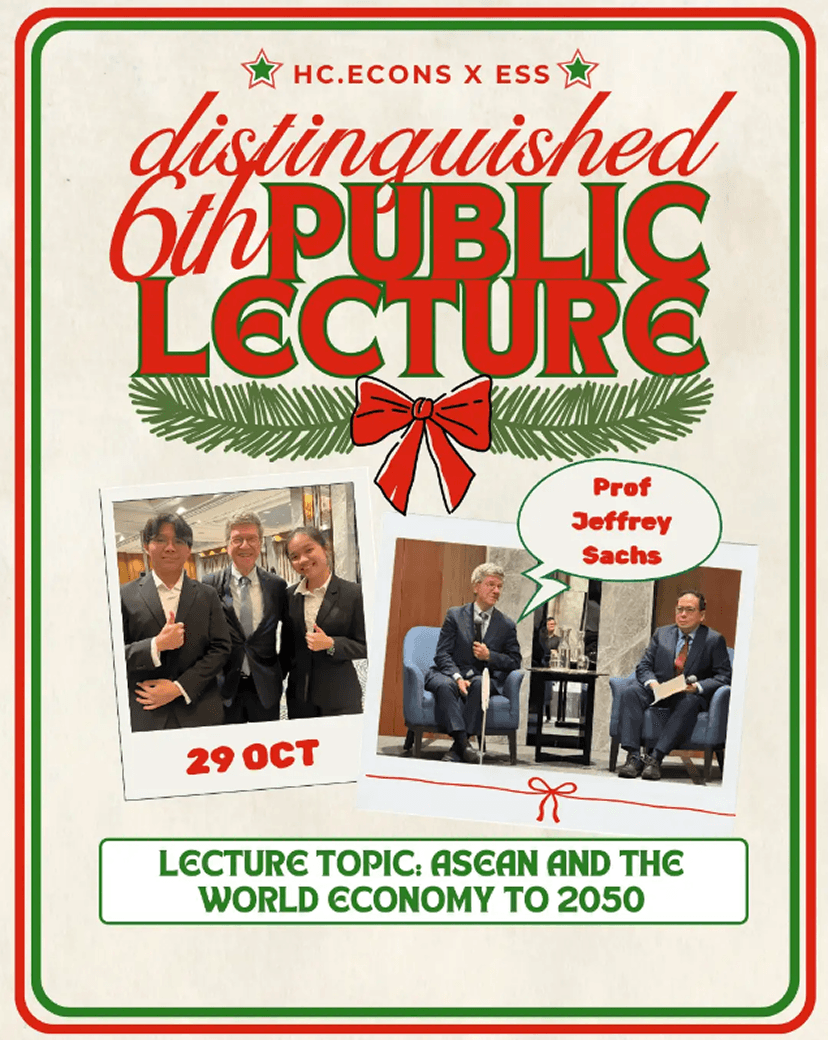
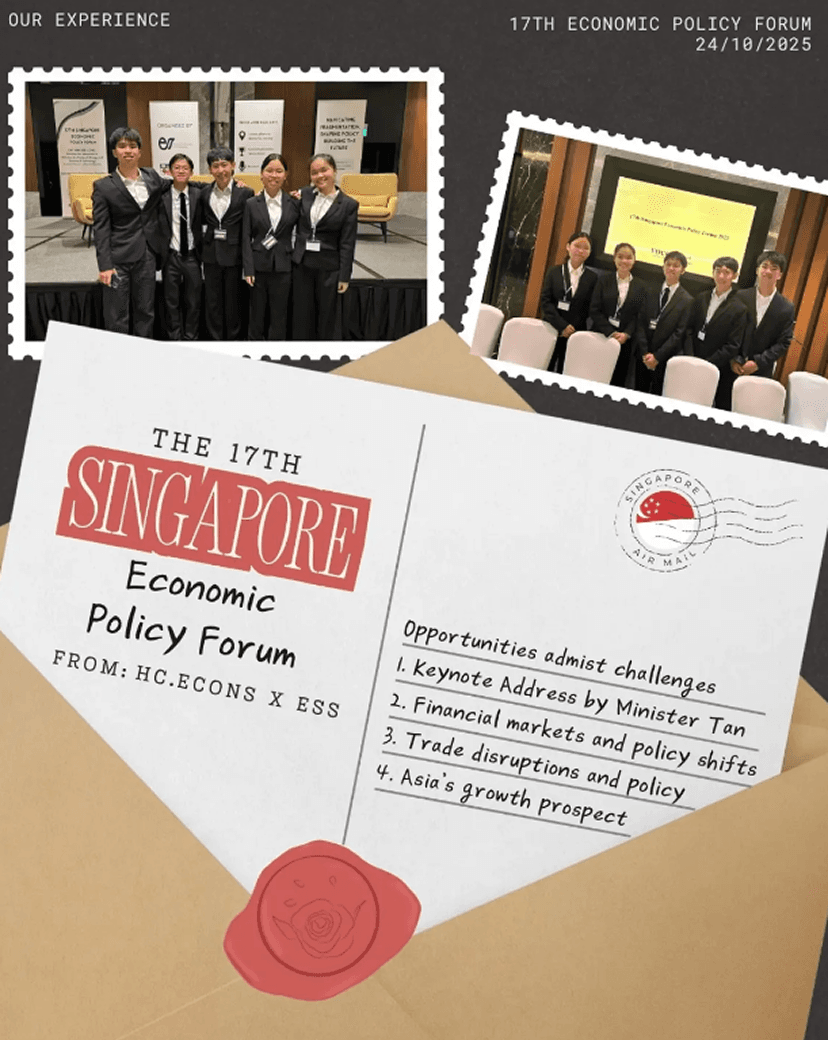
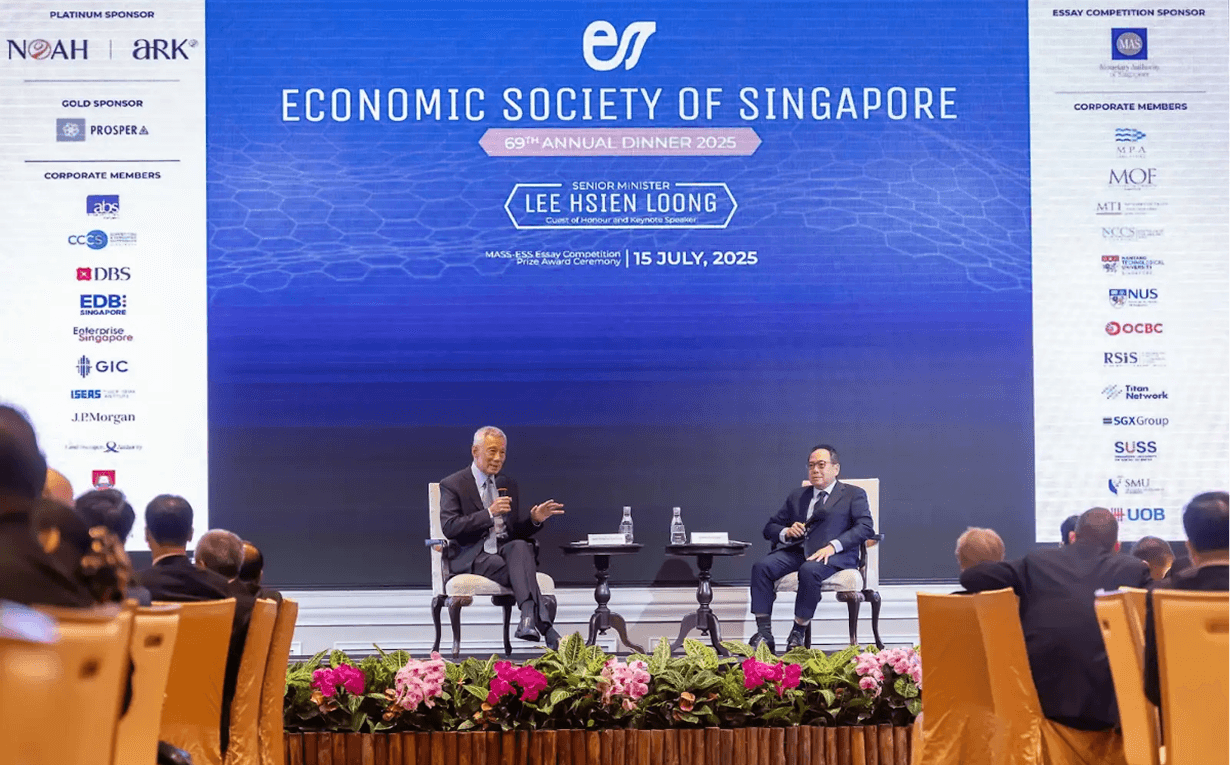
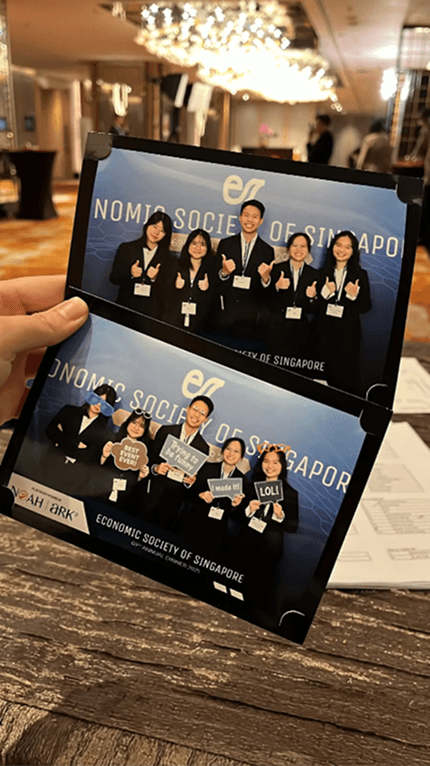
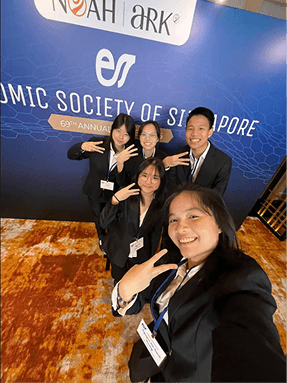
Serving as a Hwa Chong Economics Moderator exposed me to visionary leaders shaping global economic landscapes when volunteering at Economic Events and Seminars. Engaging with Senior Minister Lee Hsien Loong at the ESS Annual Dinner and Professor Jeffrey Sachs taught me that economic frameworks are not just theoretical models, but powerful toolkits for driving human-centric solutions.
Listening to their perspectives transformed my understanding of healthcare and education. I no longer saw them merely as social sectors, but as critical market infrastructures: a well-designed healthcare system protects a productive workforce, while equitable education builds the human capital necessary for long-term growth.
True enterprise is about spotting systemic gaps, like healthcare or environmental inefficiencies, and building viable, scalable models to solve them. These leaders inspired me to view entrepreneurship not simply as a path to commercial profit, but as a vehicle to engineer sustainable, real-world impact that directly strengthens society.
Follow us @hc.econsIn the 69th ESS Annual Dinner, Senior Prime Minister Lee Hsien Loong reminded youth like me not "lie flat" which I kept practising what he said: remain aspirational and avoid passivity.
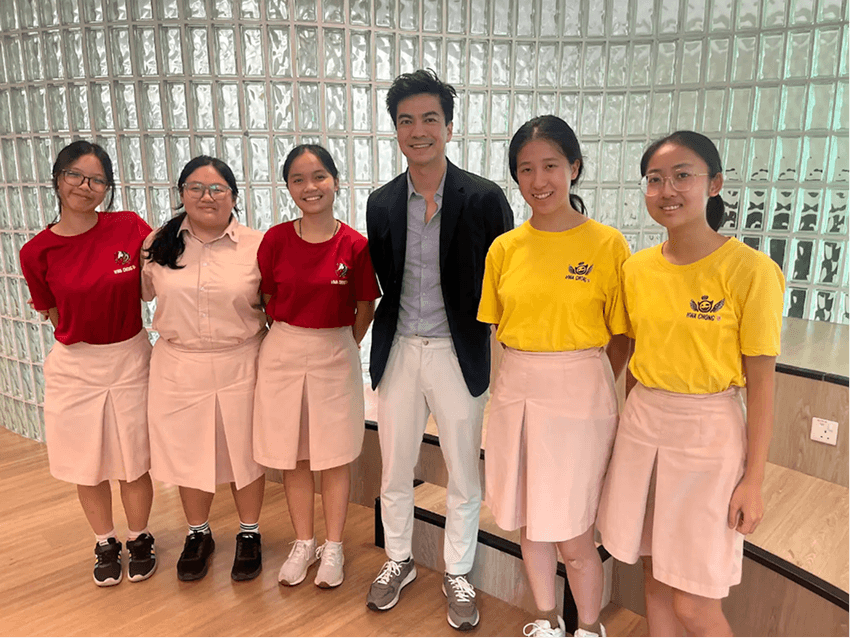
The International Marketplace President at Alibaba, James Dong's quest was also a phenomenal one: not one that changed his life but others lives. An engineering student, upon learning of an Indian textile shop's owner who was able to finance his son's study in the US via scaling his business on an e-commerce platform, he dedicated himself to Alibaba and braved it through market storms. Its founder, Jack Ma, started from negative, accepting a loan from a cleaner. Their quests inspire me to begin true entrepreneurship at zero.