A tapestry speaking of a whole civilisation is not made from a single thread. From the silk brocade of the áo dài to the batik of the kebaya, every pattern, colour, and stitch carries a culture of its own. Yet embroidery has a peculiar power: different threads, each retaining their own colour and character, can be woven together to create something stronger and more beautiful than any could form alone.
Living between different worlds has made me curious about what happens when their threads meet. I believe a stronger global fabric is woven not by erasing our differences, but by stitching them together. I strive to weave different cultures, perspectives, and local insights into one shared fabric capable of reaching beyond borders.
Scroll down to see my textile collection!
Silk Brocade
I often pride myself wearing the Vietnamese heritage, imprinted by the hands of the meticulous silk artisans. Unlike printed fabric, brocade is built directly on the loom: silk threads are stretched tightly as the warp, while coloured threads are carefully lifted and passed through to form each motif: dragon and phoenix, apricot blossoms and bamboo.
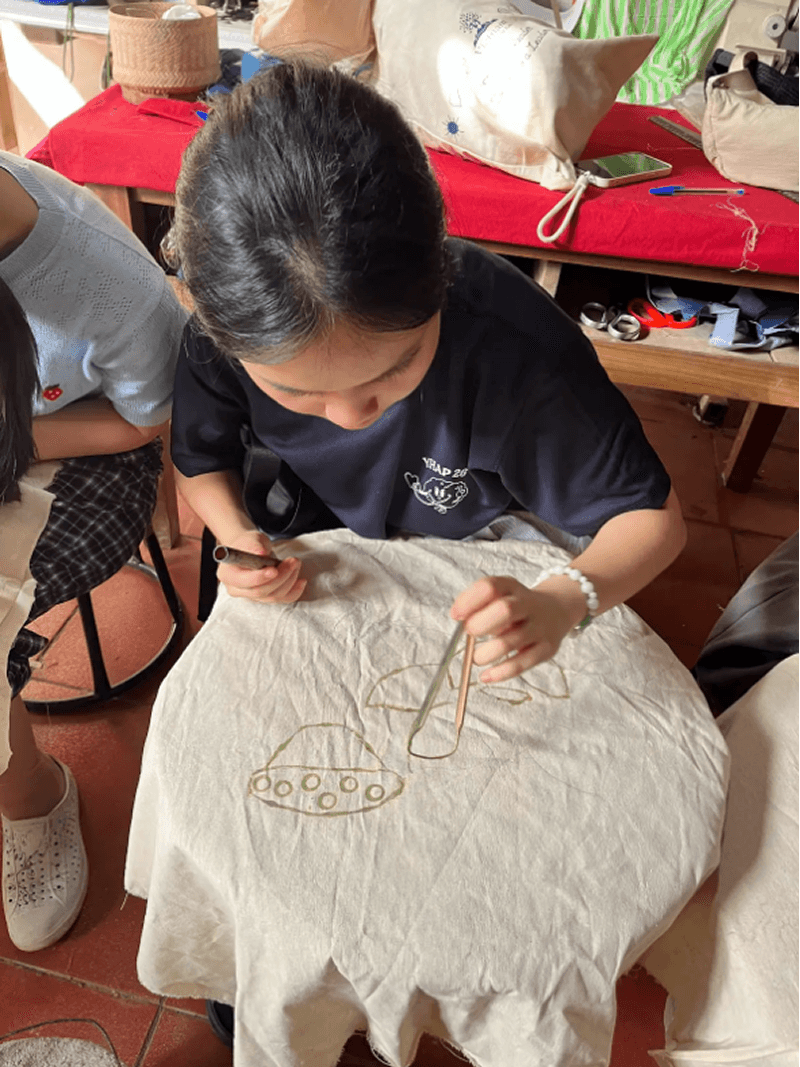
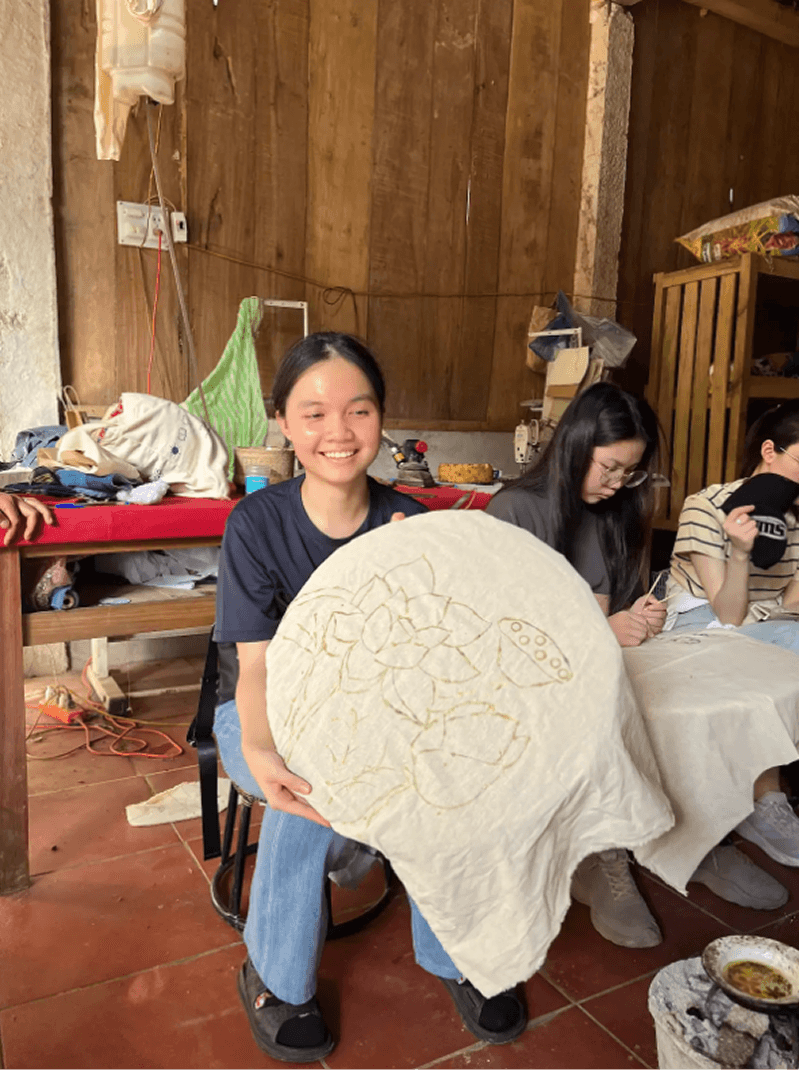
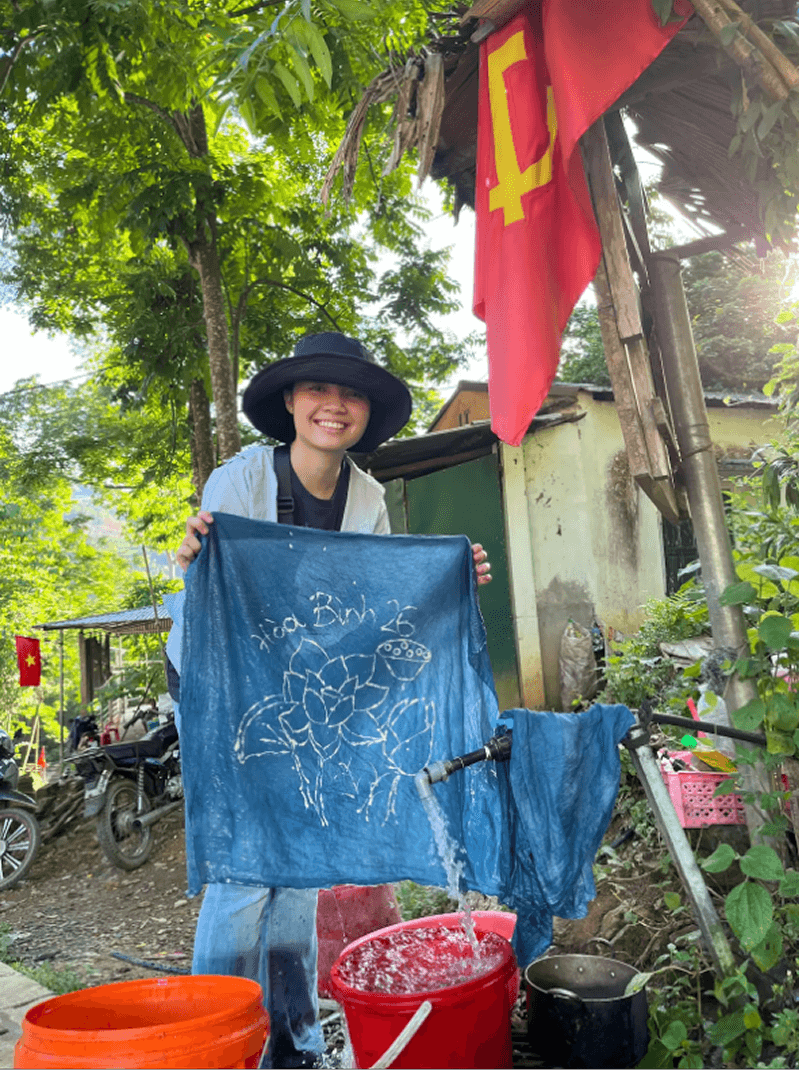
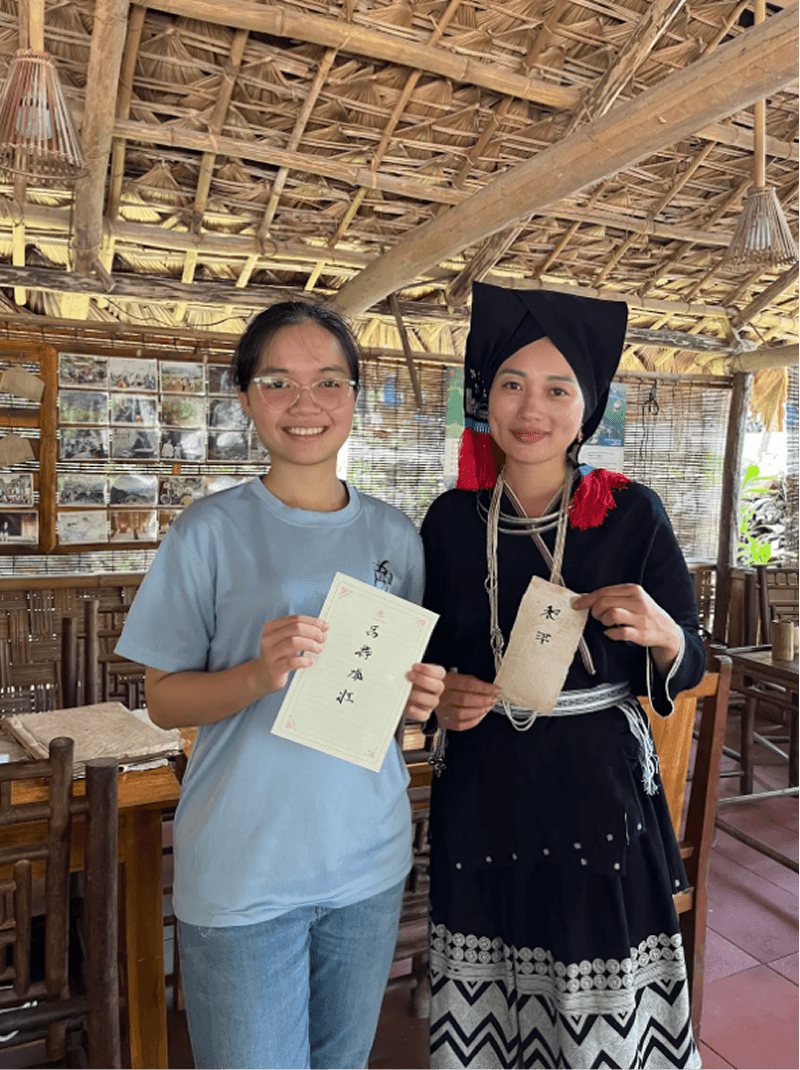
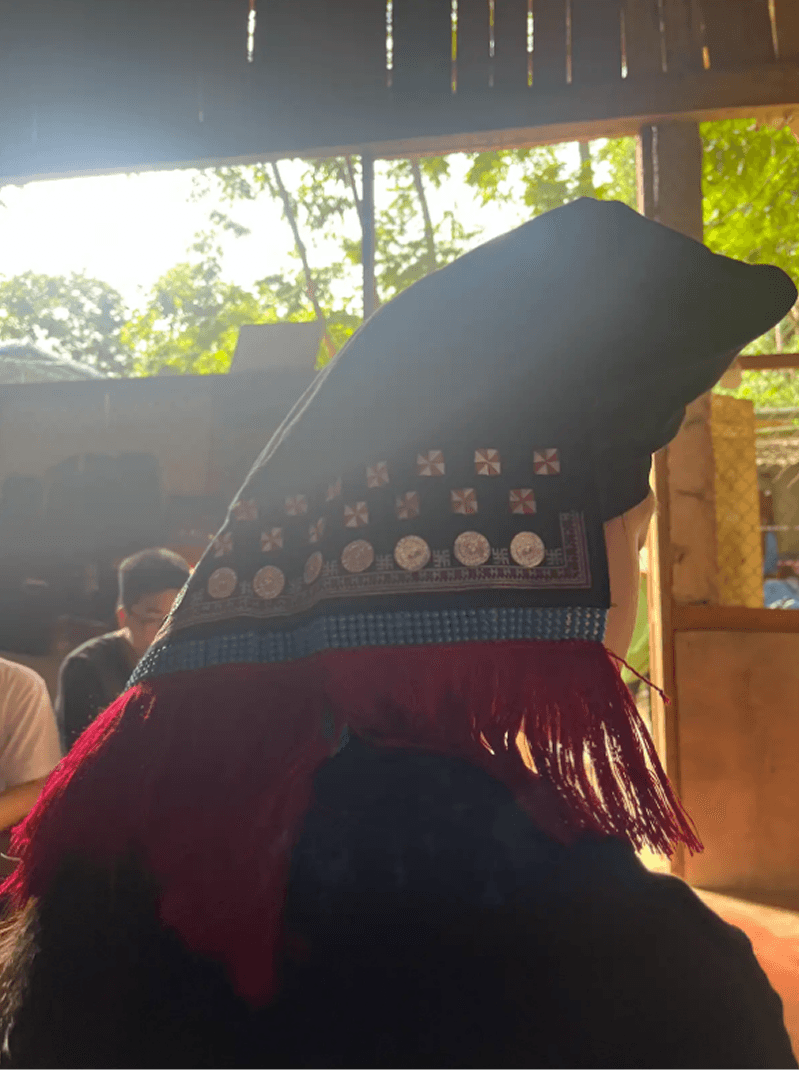
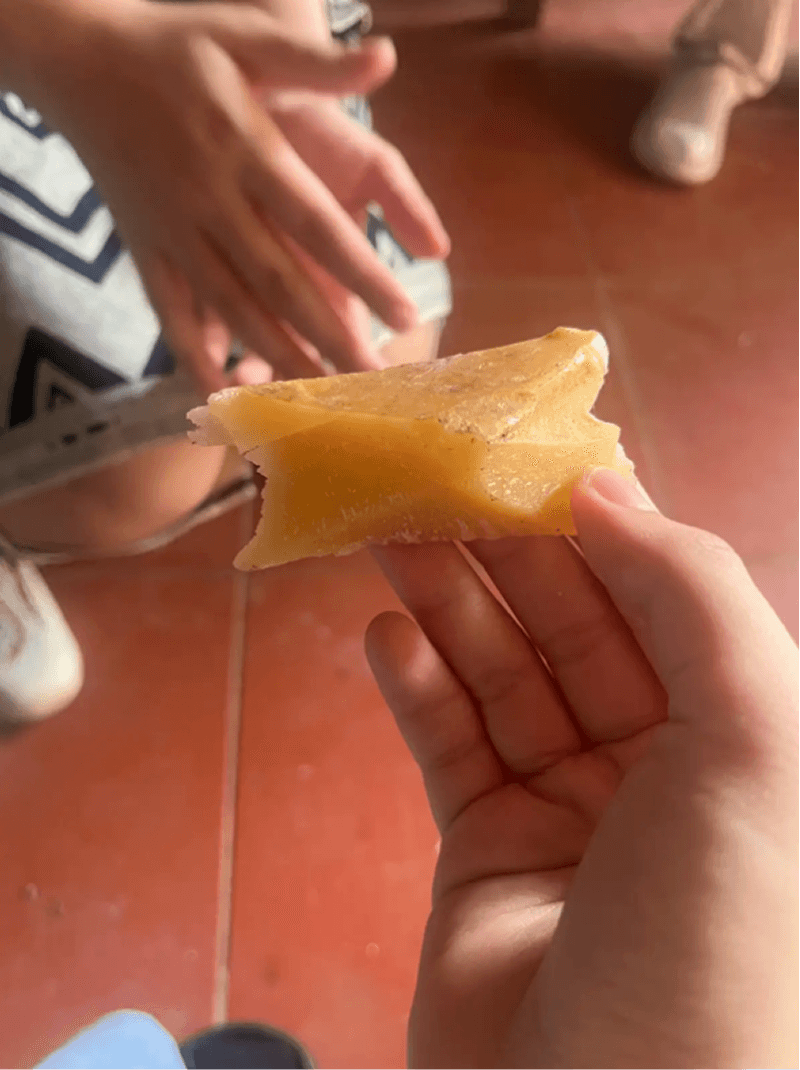
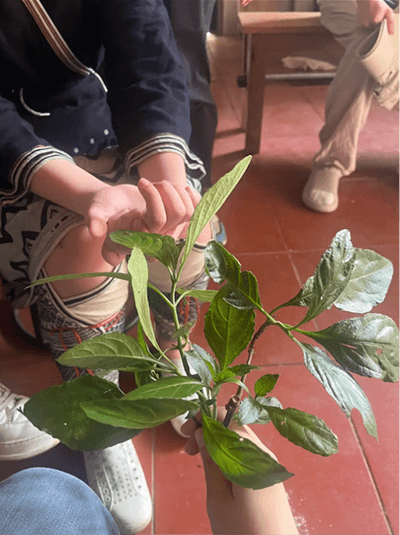
Indigo Batik - Dao Tien ethnic community (Hoa Binh, Vietnam)
Beyond the industrial brocade, Vietnam possessed a vibrant wardrobe of other ethnicities from natural dyes which I had the chance to customise one lotus fabric. Beeswax is used with geometric bamboo stamps to create wax-resist patterns, leaving intricate white designs against the dark indigo dye. Mastering the curved shape of the lotus really made me admire how intricate and talented the Dao Tien people are!
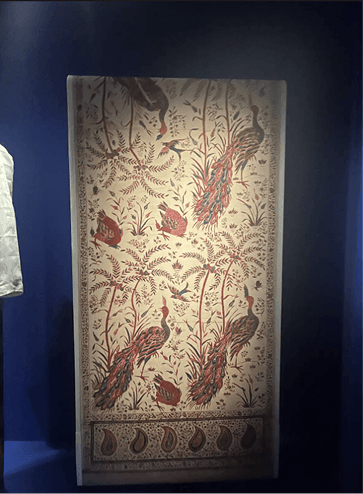
Batik and embroidered wear - Peranakan Museum, Singapore
Coming from a homogenous Vietnam, I am mesmerised by the multicultural depth in Singapore depicted in the pattern of Perankan wear. Batik used similar techniques of wax to imprint patterns on cotton. Let's see how the Javanese diasporas carried culture across borders!
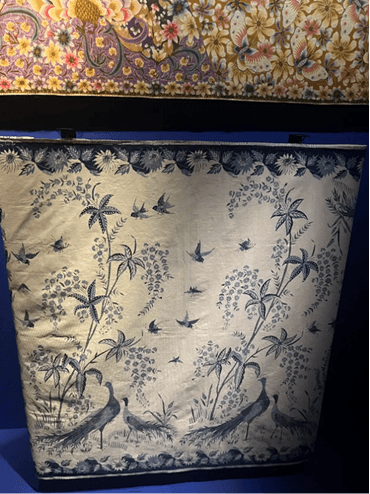
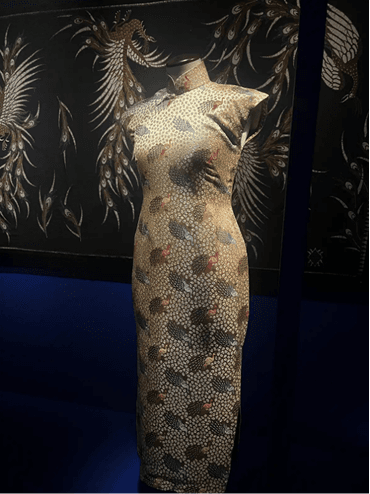
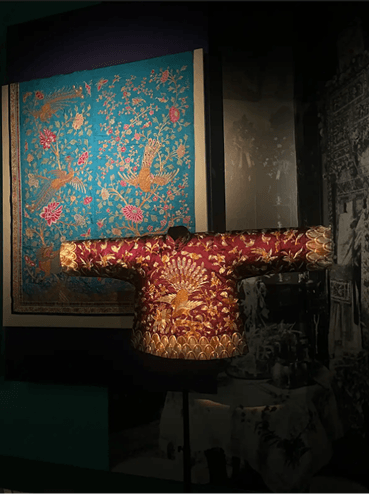
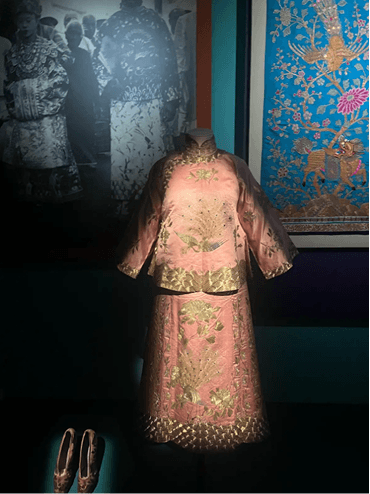
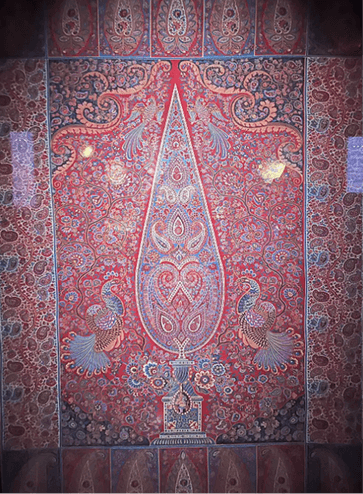
Peacock alongside phoenix represents pairing of male and female synergies, the yang and yin principles of Daoist belief
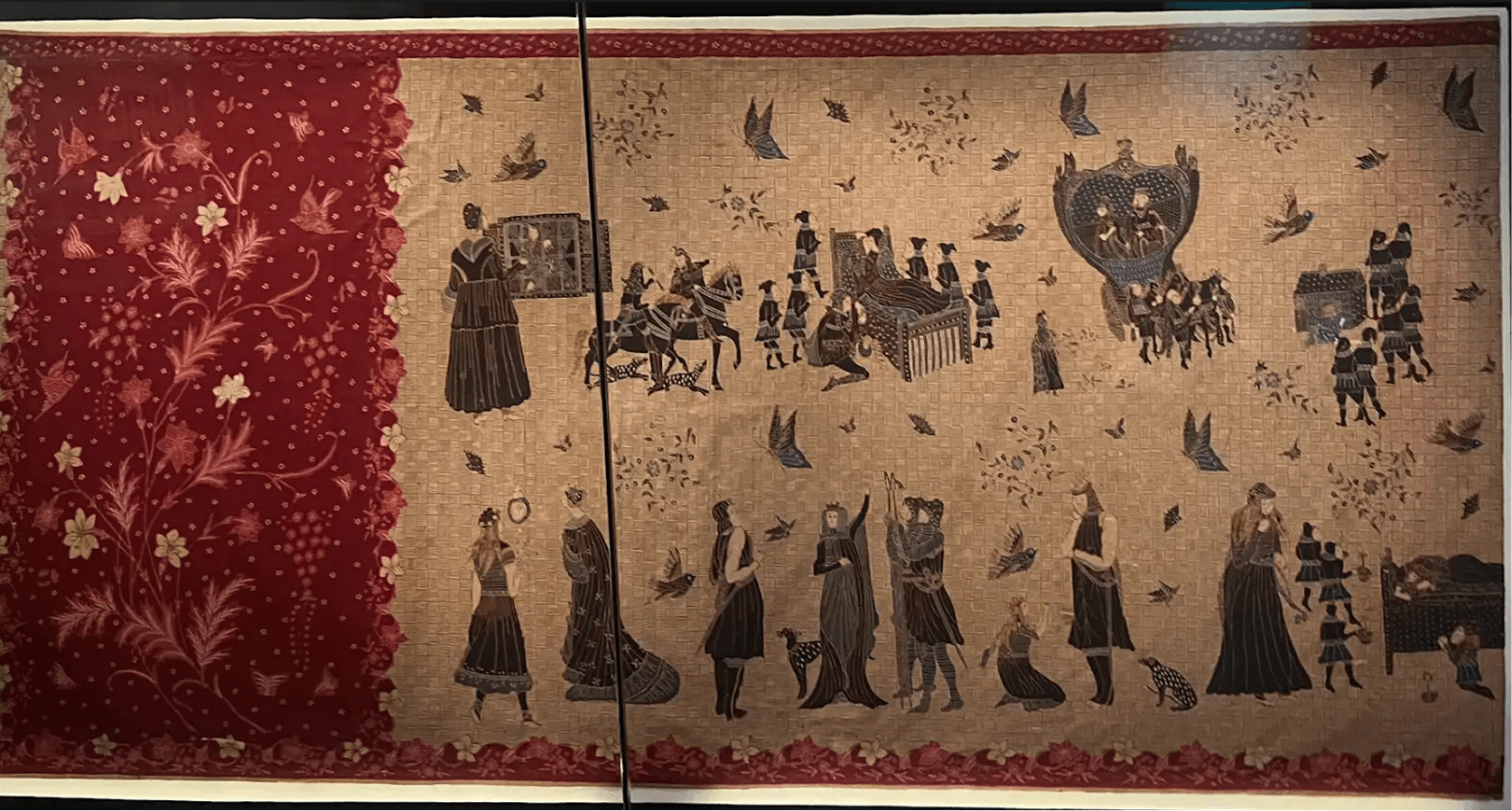
Snow White batik
Model United Nations
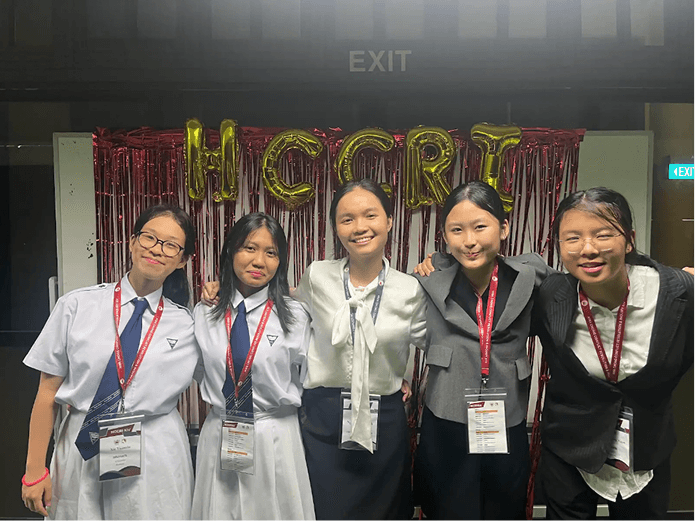
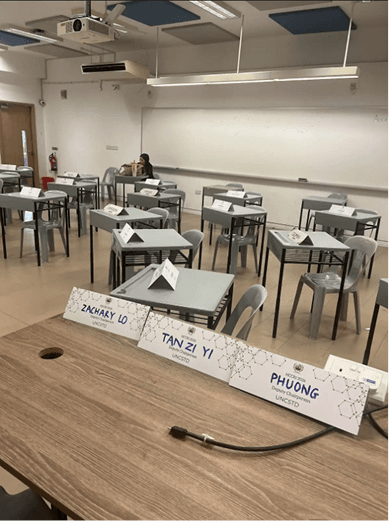
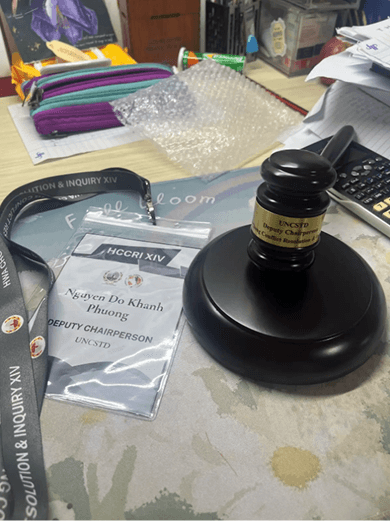
Hwa Chong Conflict Resolution & Inquiry XIV
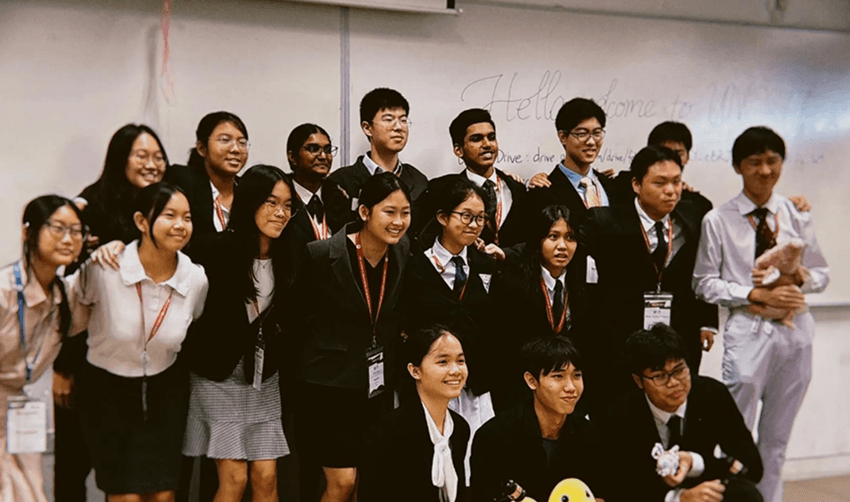
Nurturing my dream of becoming a doctor where patients actively take charge of their health, I wanted to bring AI in healthcare to Hwa Chong’s “Forging Concord for Tomorrow.” While writing my 29-page study guide, I became increasingly conscious of AI’s risks, from bias and privacy to the difficulty of governing a non-binding CSTD.
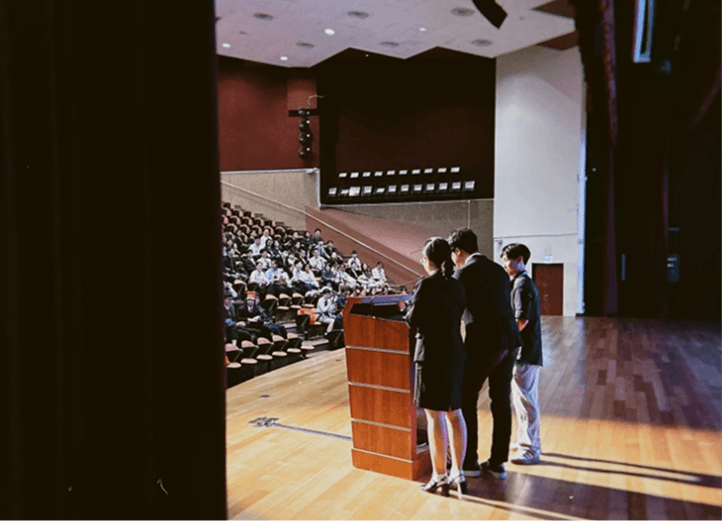
Chairing 20 delegates, I clashed with my co-chairs over guiding a beginner council. They favoured letting debate flow; I wanted to actively empower quieter states like Rwanda against domineering delegations. Our deadlock ended not through authority, but creativity: we collaboratively scripted a “Political Actor” plot to subtly steer discussion. I realised I am more nurturing, and more interventionist, than I thought. Inclusive leadership, I learned, is not about controlling the room, but intentionally creating space for voices that might otherwise disappear.
Study guide: CSTD Study Guide.pdf
Singapore Model United Nations 2026
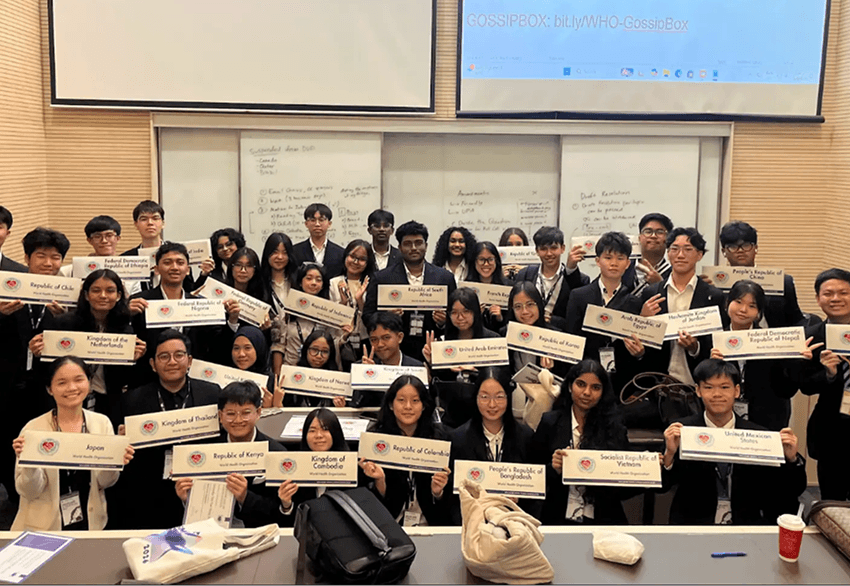
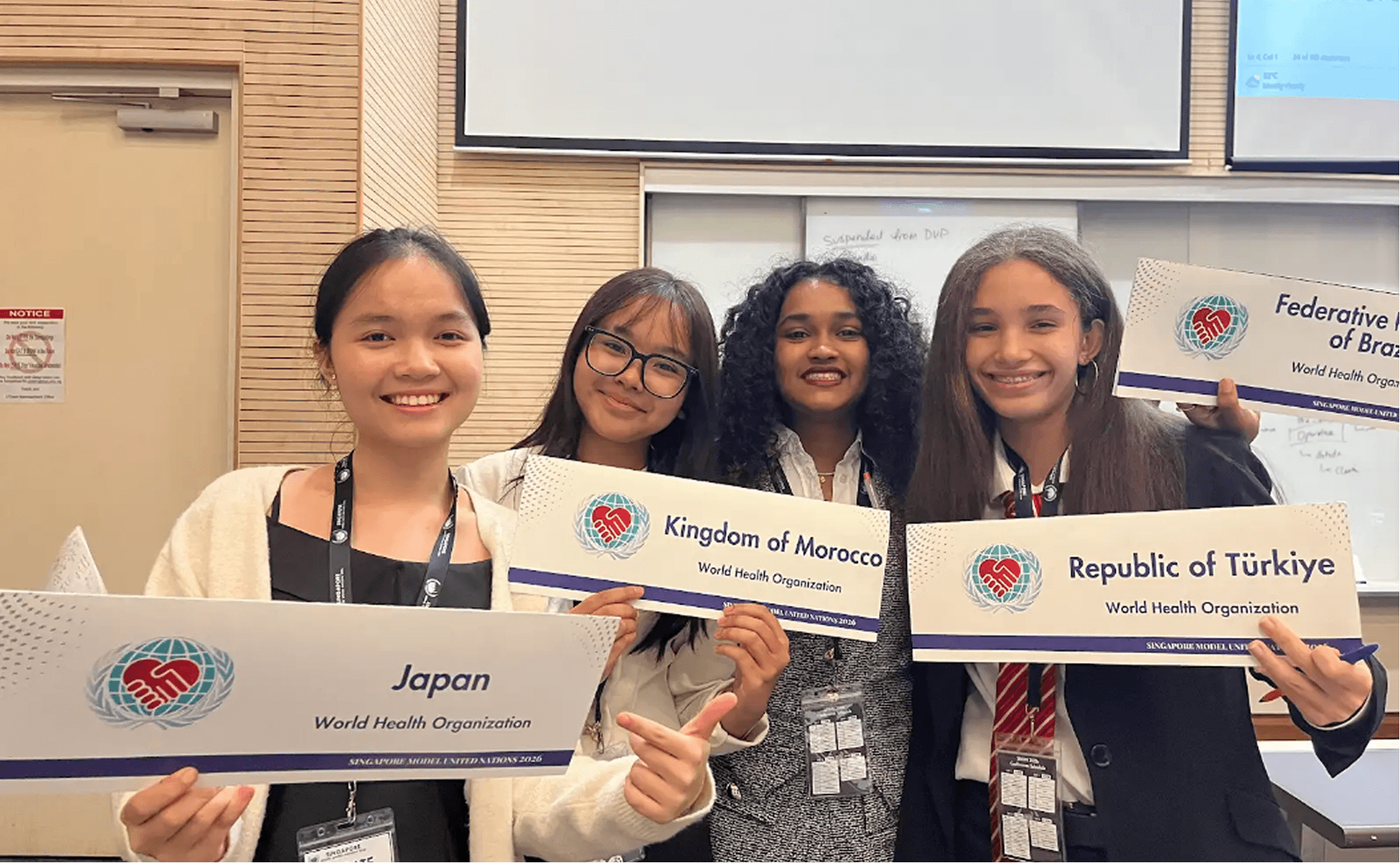
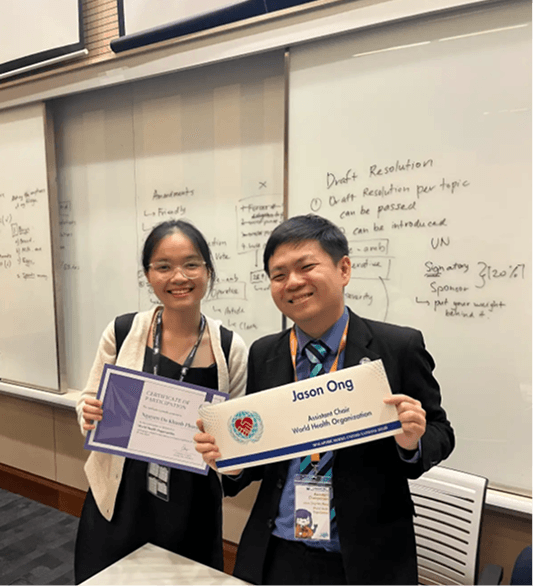
After chairing CSTD, I wanted to bring those questions on AI and global health to SMUN, this time representing Japan in WHO. Meeting delegates aged 12–23 from different backgrounds and countries, including Estonia, made diplomacy feel much more human than I had imagined. I worked closely with Brazil and South Africa and became the main sponsor of a draft resolution that passed. More than defending Japan’s interests in labour, innovation and health data, I learned to find common ground, supporting infrastructure in developing countries without asking Japan to surrender what it needed to advance.
Perhaps most memorable was discovering my own form of soft power. When negotiations became consumed by budgets and deficits, I brought everyone back to Wa, harmony, through something I genuinely love: matcha. Asking delegates to raise their placards if they enjoyed tea seemed almost playful, but it opened the room to a shared cultural moment before I connected harmony to global health. I learned that diplomacy is not always about having the strongest argument; sometimes, it is about finding something human enough to make people listen.
Tran Dai Nghia Model United Nations Club
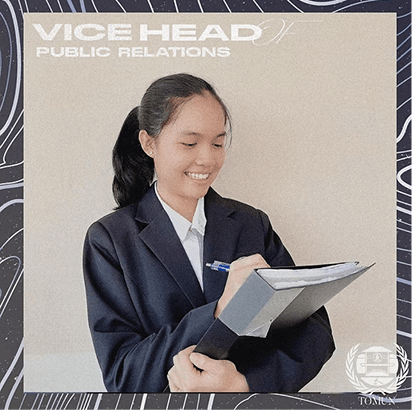
Head of Content
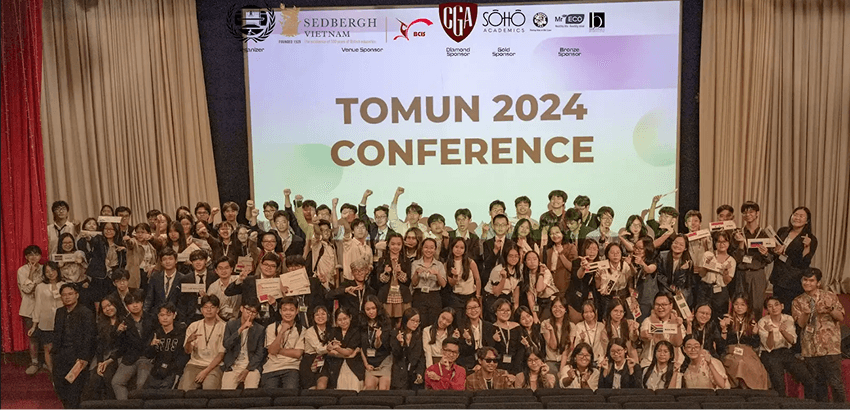
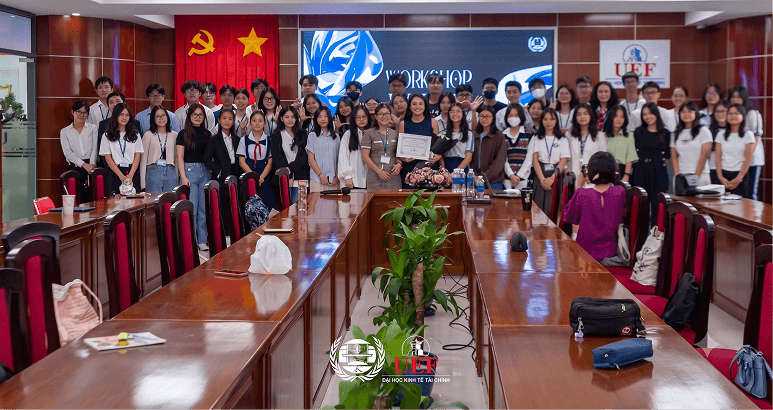
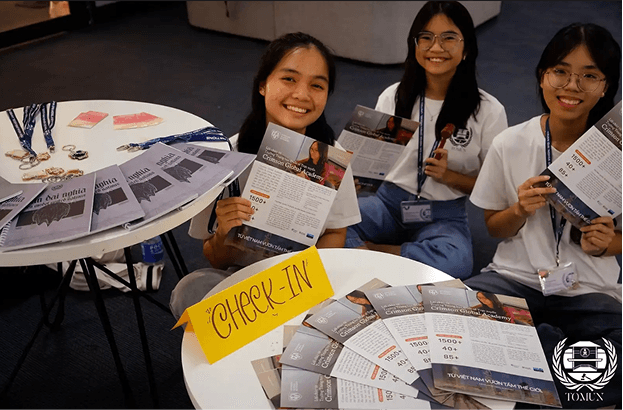
Joining TOMUN, a MUN at my alma mater in Vietnam, I learned that content can be more than publicity: it can make politics accessible to young people. As Head of Content, I shaped social media posts, study guides, event content, and annual recaps, translating complex debates into stories that students could engage with beyond the conference room. Leading the Content sub-department also taught me that creating content is ultimately a collective process. I made it a point to listen to every member’s ideas and offer encouragement, especially when their work felt unseen.
International Science Youth Forum
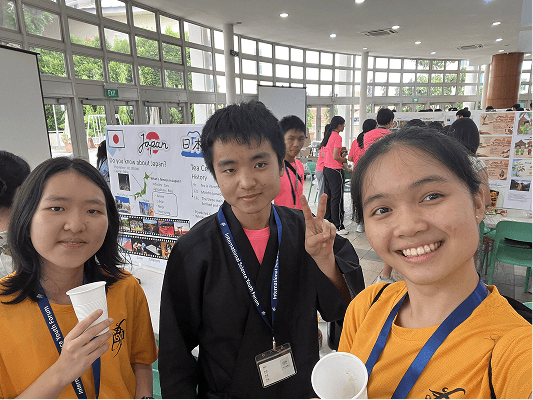
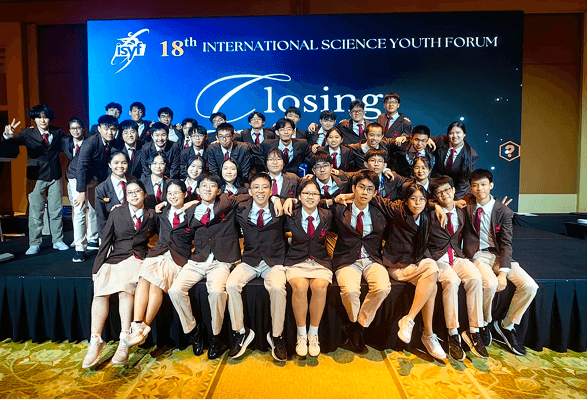
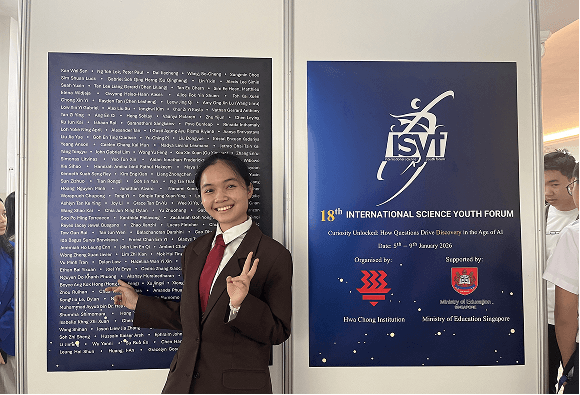
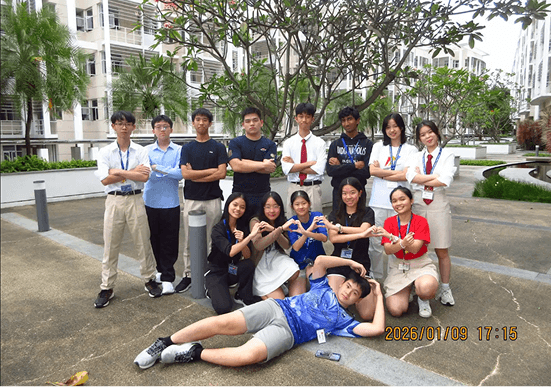
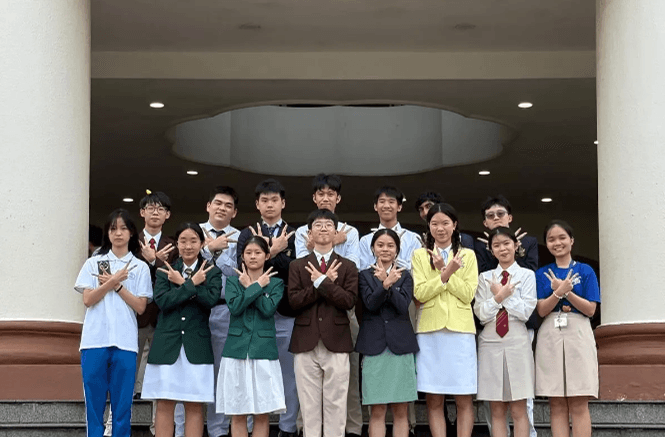
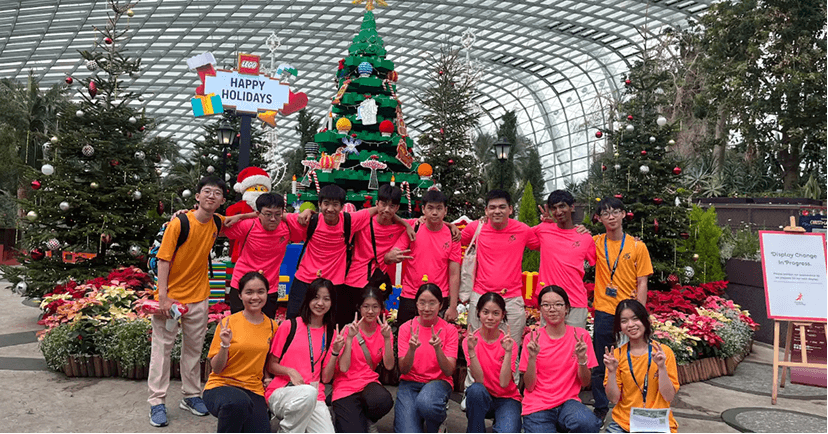
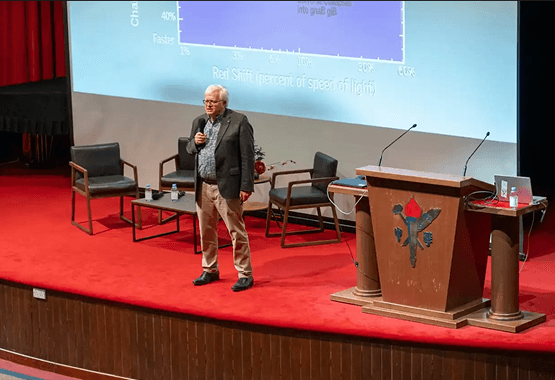
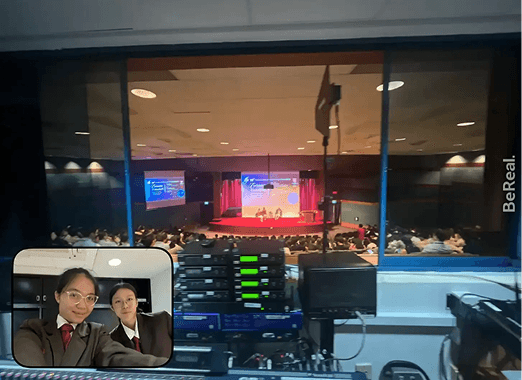
Science may speak in equations and experiments, but it travels through people. At ISYF 2026 organised by my school Hwa Chong, I found myself moving between conversations with students from America, Malaysia, and beyond, each carrying a different question about the world. As part of the Ceremonies team, I helped bring Nobel Laureate keynote lectures to life, while hearing young researchers share discoveries from their own corners of the globe. Somewhere between the stage and these conversations, I realised that science becomes truly global when curiosity gives us a common language.
Website →1. Group Canopus
The experience resonated deeply with my role as a leader and facilitator of Group Canopus, where I worked with students from Singapore and across continents. Despite our different backgrounds and disciplines, we bonded through the same curiosity and excitement for discovery. Though Canopus has since disbanded, I still think of it whenever I see that star in the sky, a reminder that, like constellations, connections formed through science can transcend borders and endure long after the moment has passed.
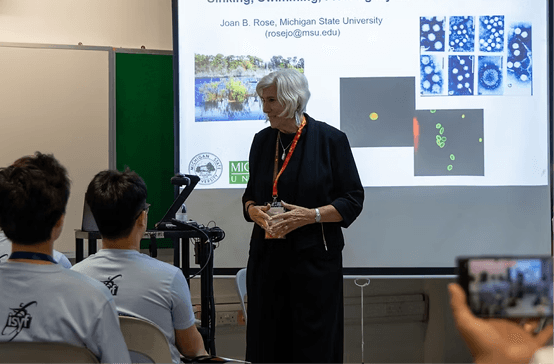
2. Masterclass by Nobel Laureates, Professor Joan B. Rose
Her work in wastewater surveillance, microbial source tracking, and microbial risk assessment showed me how environmental science can detect invisible threats early and translate them into policies protecting entire communities. It shifted my view of public health from reactive treatment to preventive, systems-level action.
3. Keynote Lecture: Curiosity Unlocked: How questions drive curiosity in the age of AI?
Professor Brian Schmidt’s keynote offered a different perspective. Coming from biology, I was fascinated by how his work on cosmology and the accelerating universe pushed me beyond my comfort zone. Together, both experiences reminded me that science, from microbes to galaxies, is ultimately about understanding the unknown and using that knowledge to improve lives.
ASEAN Scholar
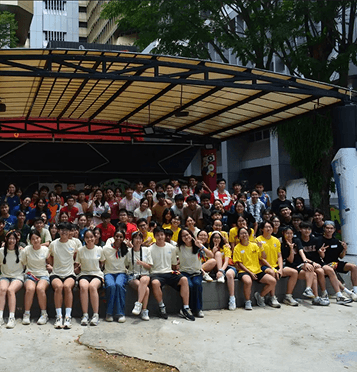
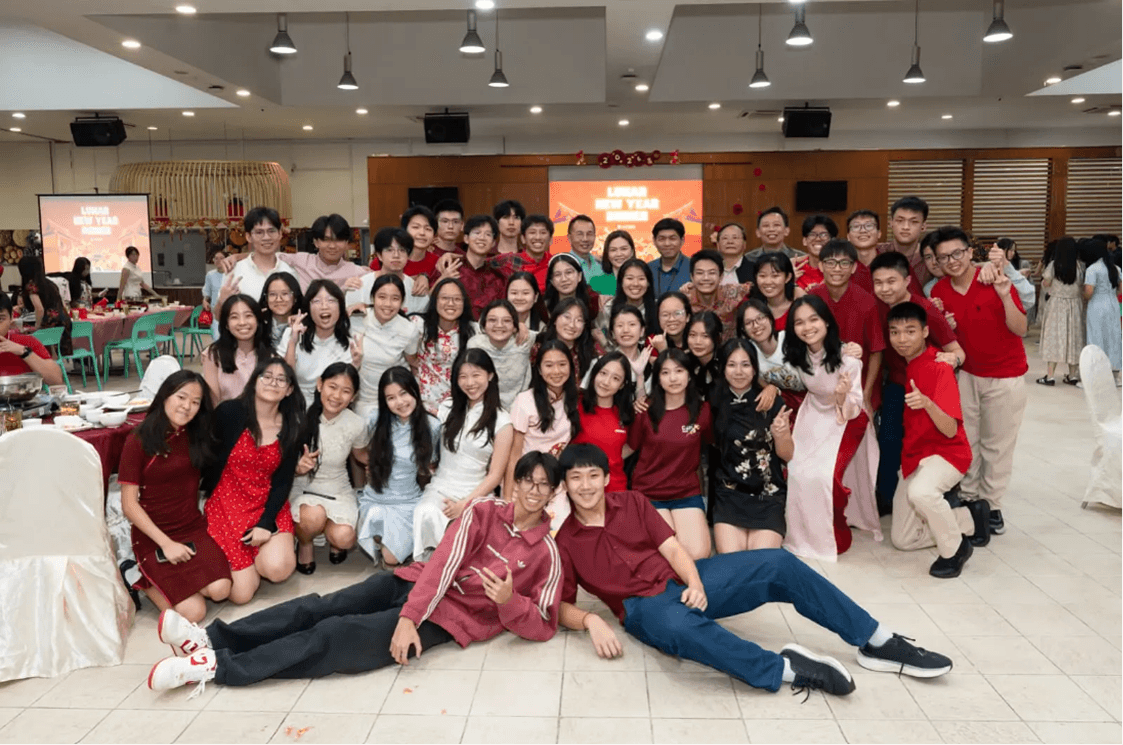
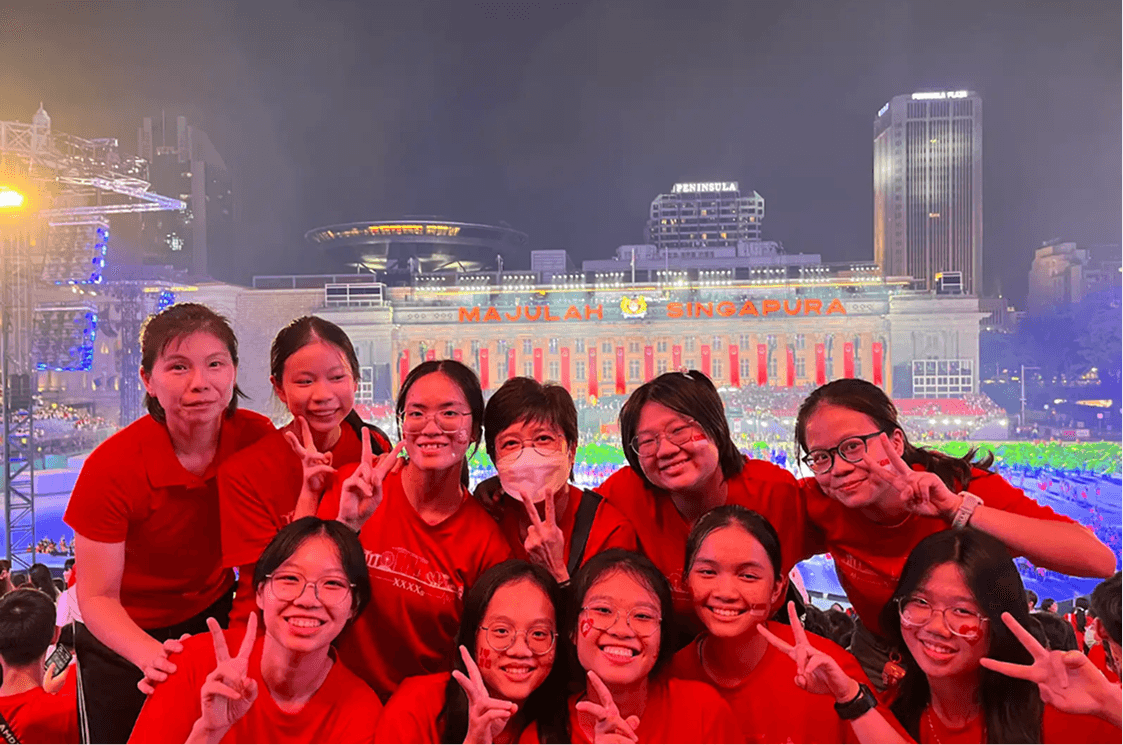
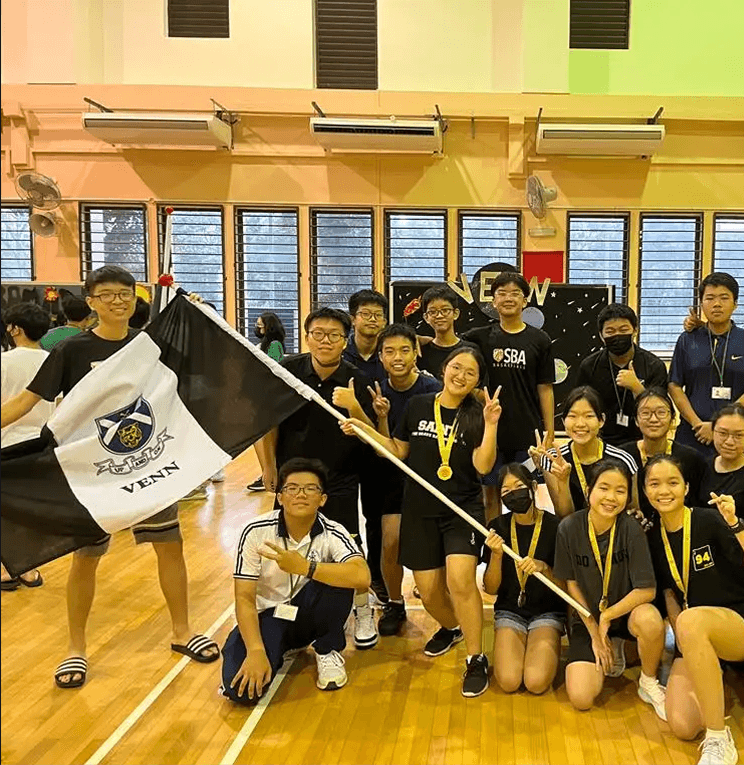
Four years ago, a fourteen-year-old me arrived in Singapore with a suitcase, a scholarship, and little idea of what lay ahead. What began as an education became four years of finding home, in boarding schools, classrooms, the Padang, and most importantly, among friends from across ASEAN. The Singaporean education we received gave us more than academic knowledge for an increasingly turbulent world; rooted in Kindness, Integrity, Responsibility, Gratitude and Honesty, it taught me that education is not simply about what we achieve for ourselves, but what we can contribute to others.
As an ASEAN Scholar, I have tried to carry these values forward, sharing the Singapore I came to love, supporting younger scholars, and giving back to the community that once welcomed me. To me, the scholarship was never simply a ticket across a border; it was an invitation to belong, to grow with others, and eventually to leave the door open for those who come after us.
As an ambassador of the scholarship, I hope to carry its spirit beyond Singapore through many online media, opening the same doors for others that were once opened for me.
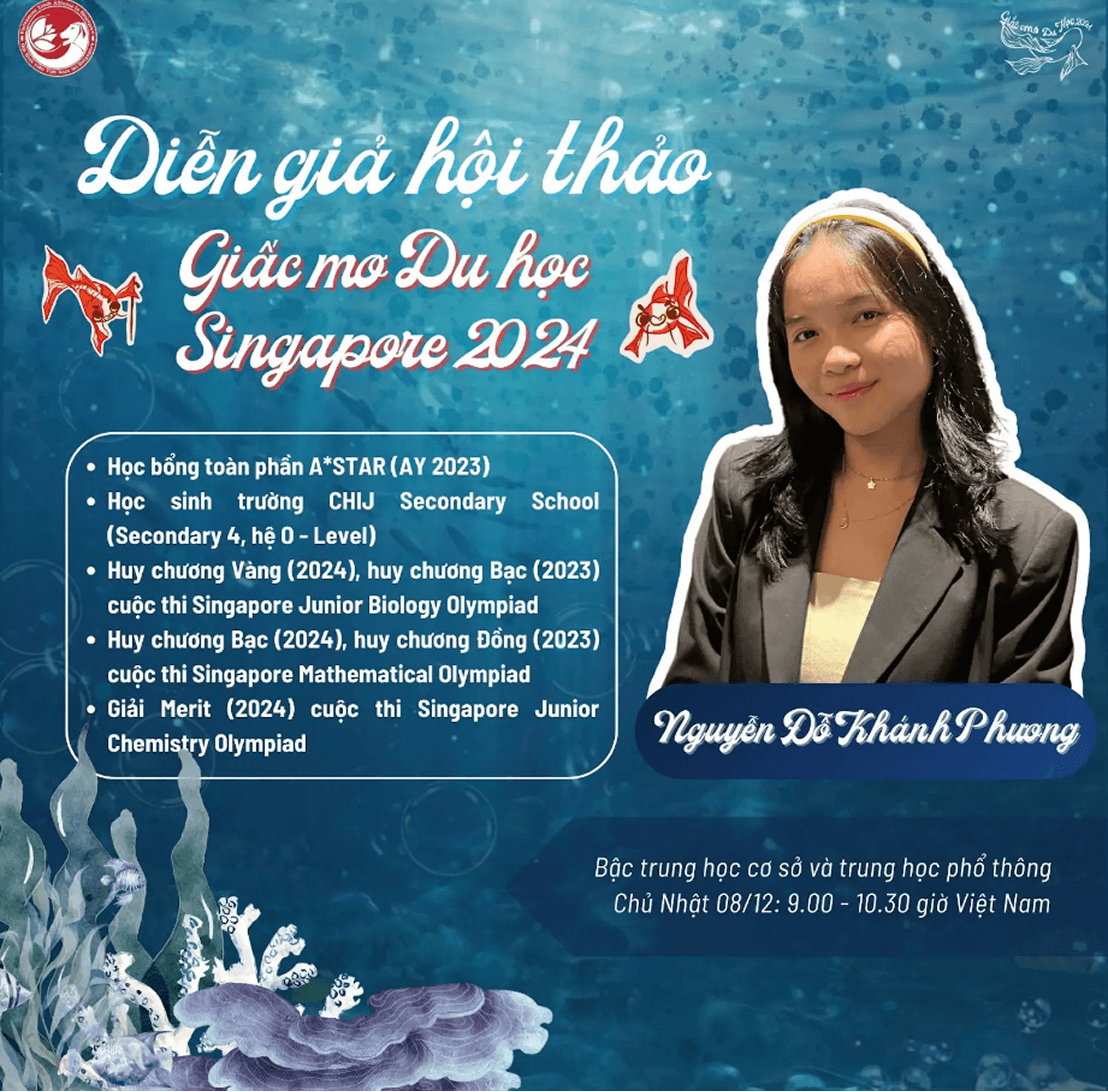
AH, THERE YOU ARE! | BUILDING BEAUTIFUL FRIENDSHIPS | MEET & GREET WITH KHANH PHUONG | HTV Kids
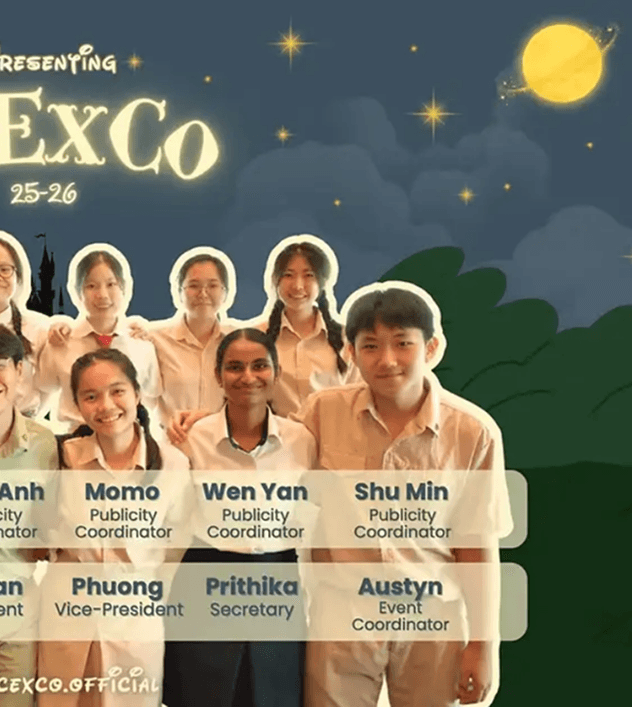
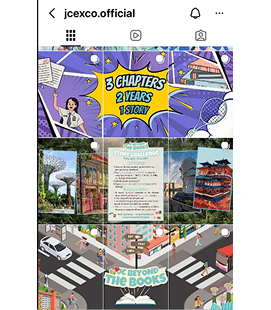
Junior College Executive Committee | Vice-President
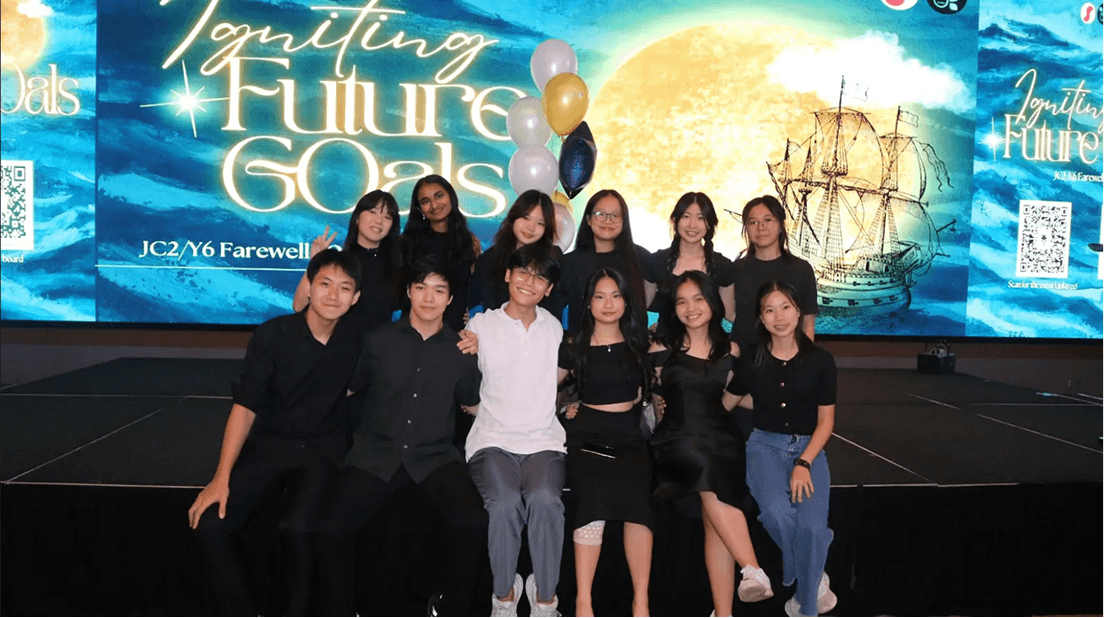
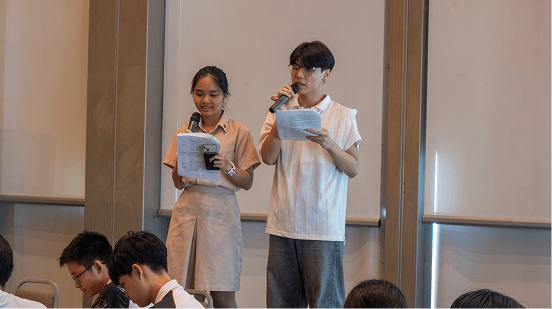
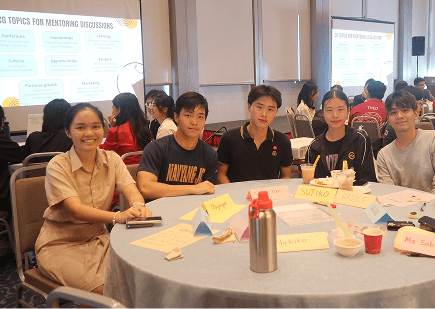
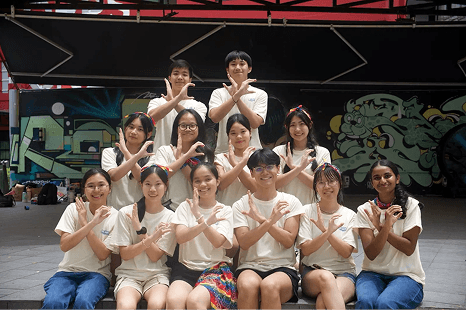
Having benefited deeply from the ASEAN Scholarship, I wanted to give back to the scholar community as JC ExCo Vice-President - “by scholars, for scholars.” Working with twelve students from different schools, backgrounds and strengths, I supported Farewell for seniors, Mentorship for my batch, and Orientation for 130 juniors. Each event reminded me that service is often found in the small details that make people feel they belong.
Leading Publicity also taught me to turn an instinct for design into something others could own. I learned to listen to different creative perspectives, communicate intangible ideas clearly, and nurture members’ strengths rather than impose my own. More than the events we delivered, JC ExCo left me with a deeper appreciation for the people who made Singapore feel like home and a desire to do the same for those who came after me.
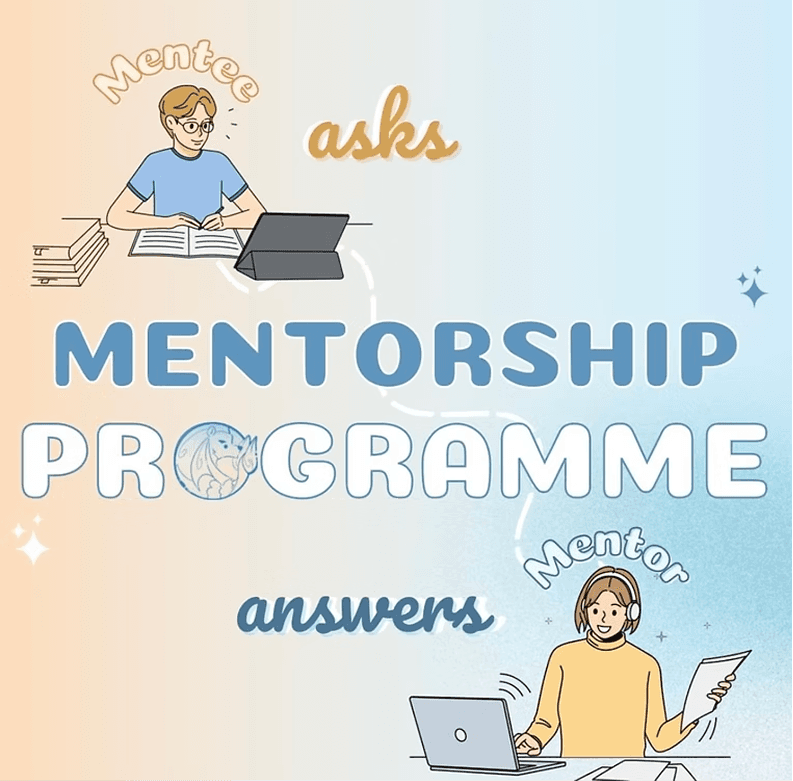
ThinkSingapore Mentorship programme | Mentor
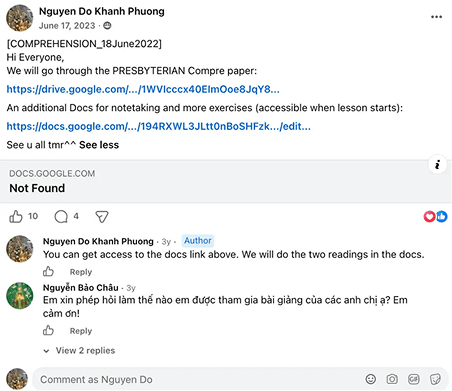
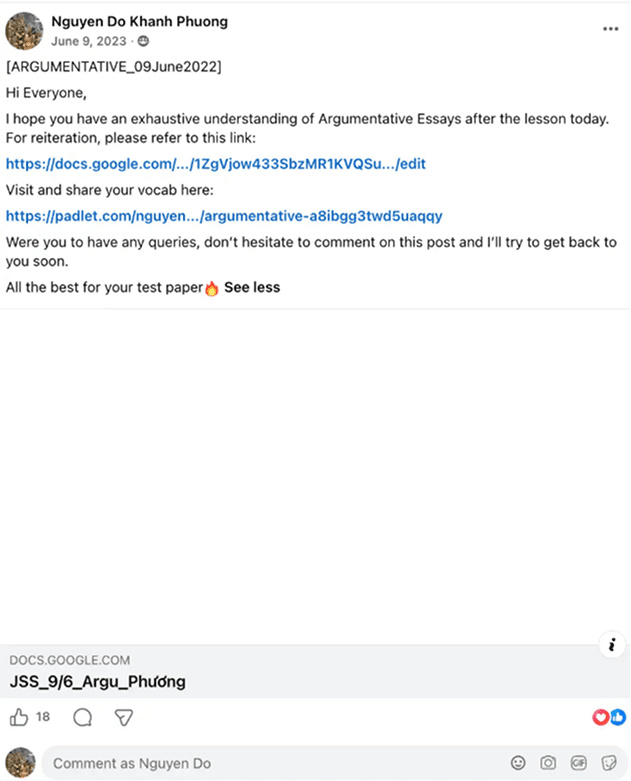
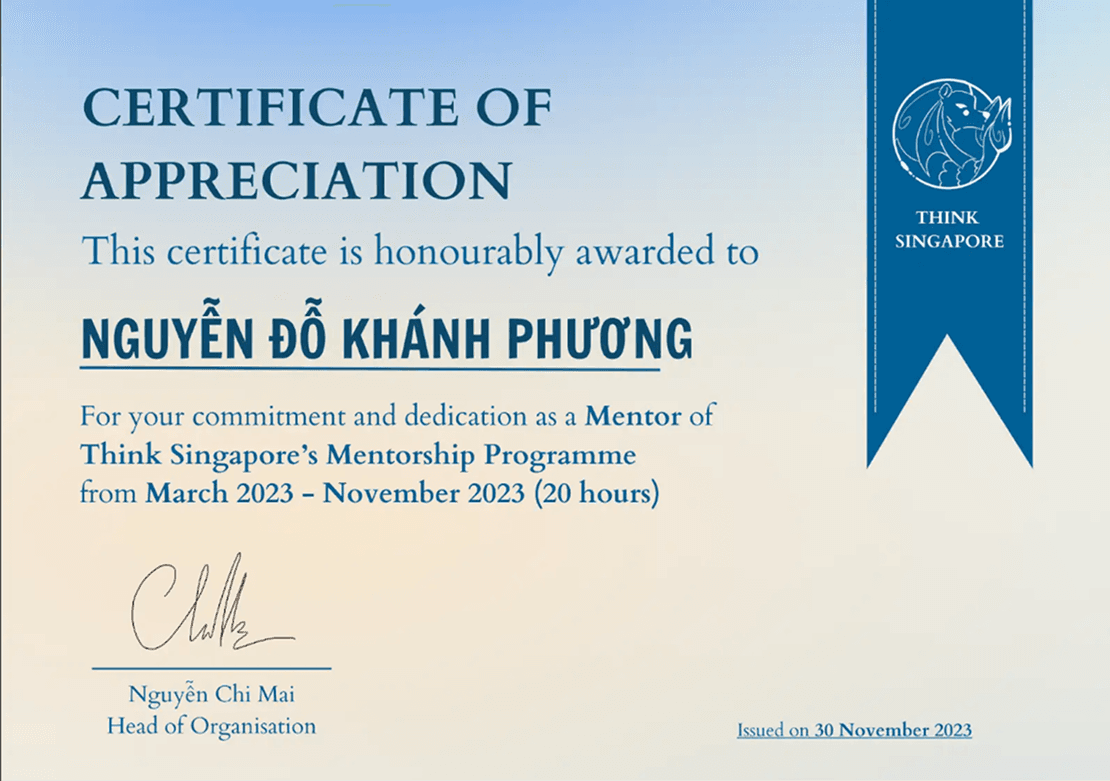
Having benefited from the life-changing ASEAN Scholarship, I wanted to pay it forward to Vietnamese students dreaming of studying abroad. As an English and Math Mentor with ThinkSingapore, I taught 20+ students through weekly free online lessons in June 2023, from vocabulary and essays to Singapore Math, with more than 10 eventually securing admission. Yet I reminded them that a scholarship is only the beginning, not the destination. Drawing from my own journey, I shared not only how to get to Singapore, but the friendships, opportunities and experiences that made the journey meaningful. Reading their essays and nurturing their individual voices taught me that mentorship is not simply about opening a door, but inspiring someone to walk through it and discover what lies beyond.
Community Service
Seeing smiles appear on people’s faces is my greatest happiness. The genuine grins of children at orphanages and the renewed vigour of the elderly showed me a wealth I could never put a price on.
Vietnam
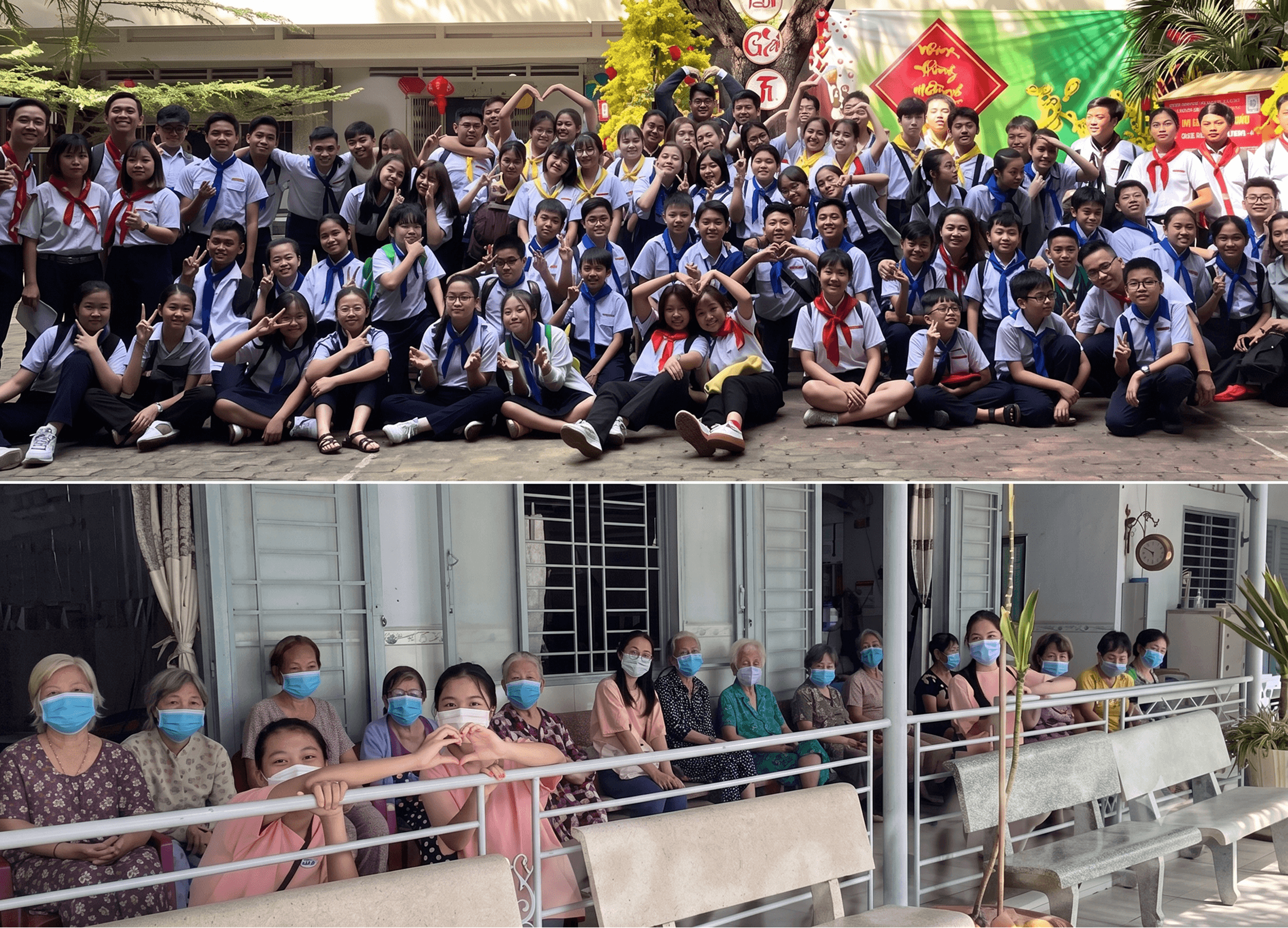
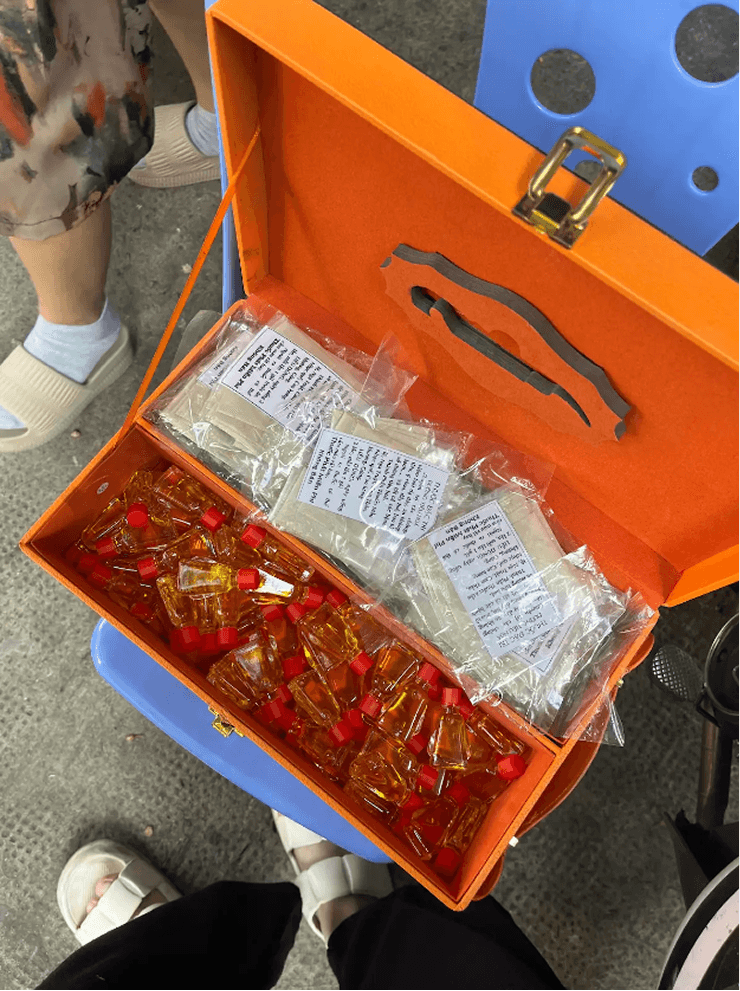
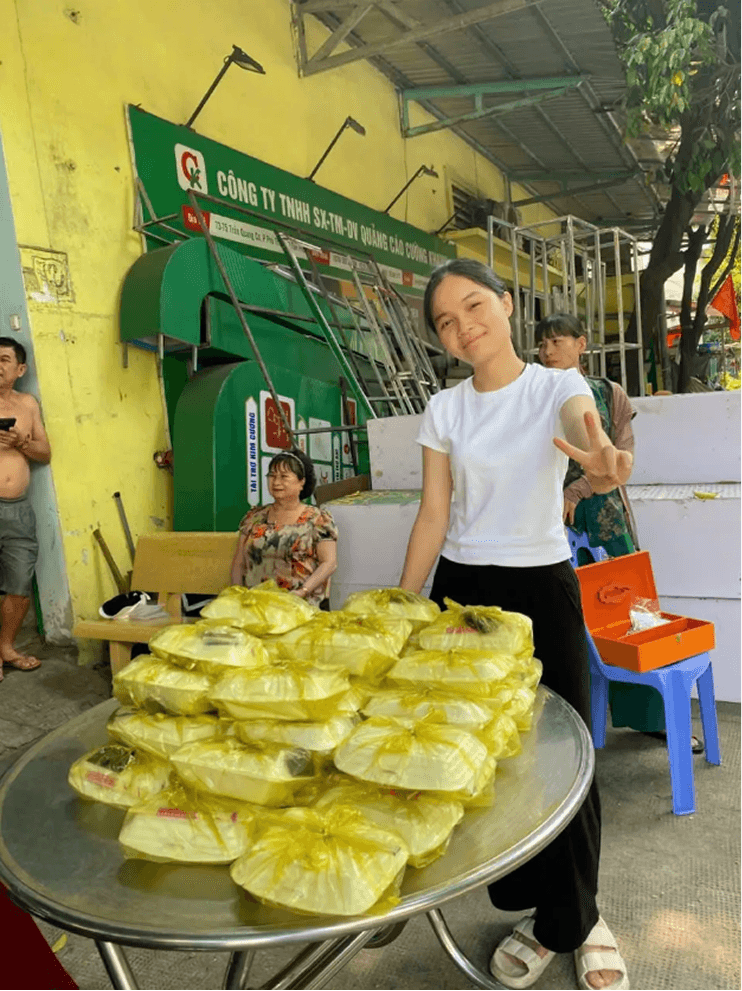
I had the privilege to taste this affluence right at the heart of Saigon. At Thi Nghe Orphanage, I joined my churchmates in bringing joy through dance, while at Vincente Retirement Home, my classmates and I offered both practical help and companionship to the elderly. At soup kitchens and community outreaches, I shared small things I had once taken for granted, from meals to simple medicines like gastric remedies and green oil. These experiences reminded me that wealth is not measured by what we possess, but by what we are able to share, and the relief, even momentary, we can bring to someone else’s day.
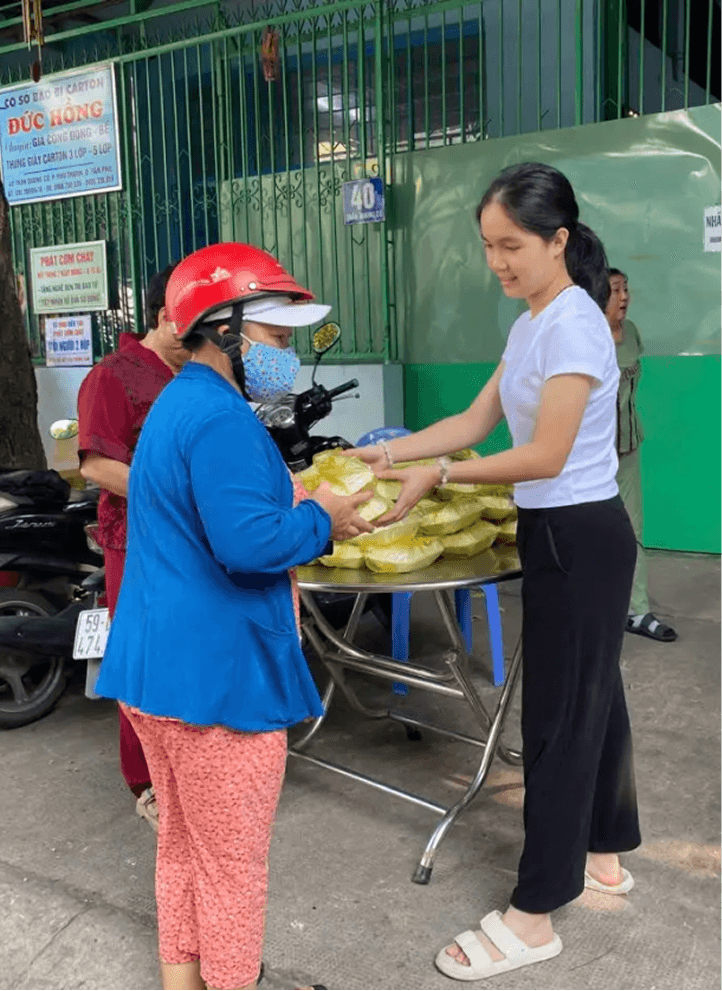
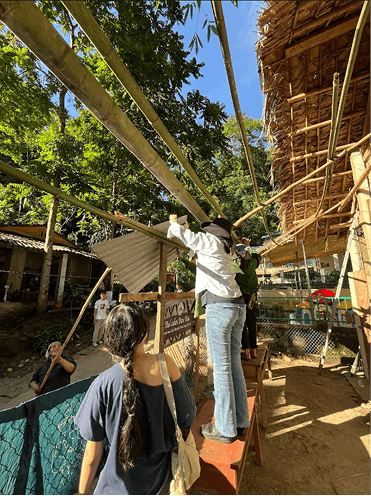
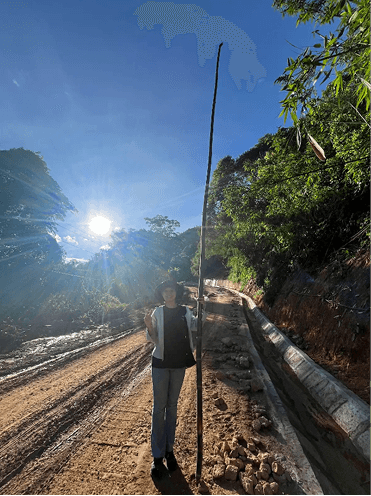
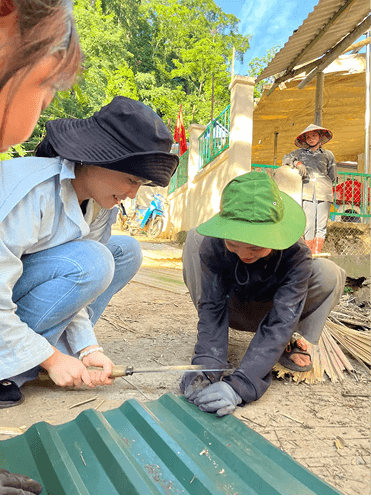
I had long dreamed of easing the burdens of Vietnam’s highland communities. Visiting the Dao Tien in Hoa Binh, a three-hour journey from Hanoi, my group brought milk, stationery and a water-filtration system after researching the village’s needs. Yet my greatest joy came from living and working alongside the women: mending roofs, moulding dó paper and gathering medicinal plants. As an urbanised child, I had unconsciously seen work as a means to an end: work enough to earn, then stop to enjoy. These women showed me otherwise. Their work never ended, yet neither did their sense of purpose. They renewed mine: to live, work and serve with the same quiet commitment.
Singapore
Coming to Singapore has taught me that even the economically advanced society cares extensively for the last, the least and the lost. And the service learning projects embedded within educational institutions have brought structure to my volunteering.
Website →Values-in-action Councillor
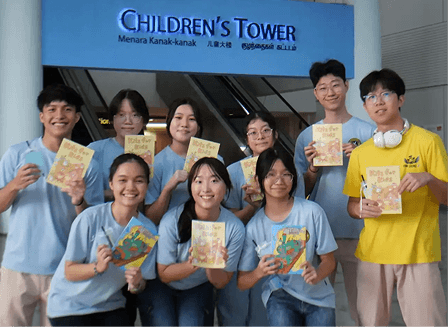
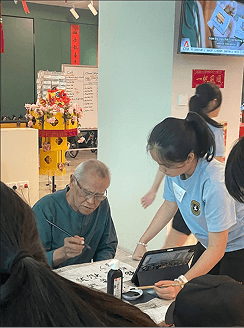
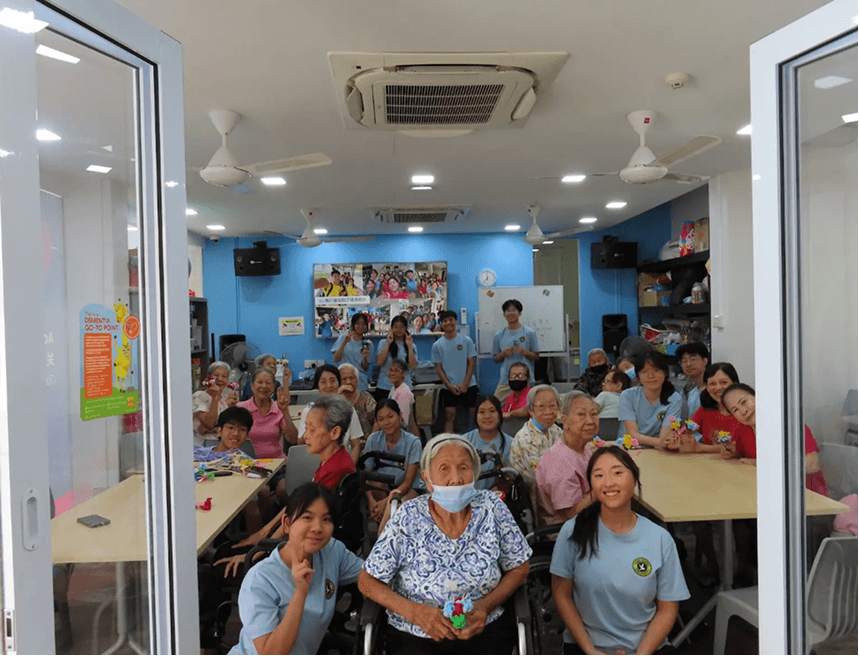
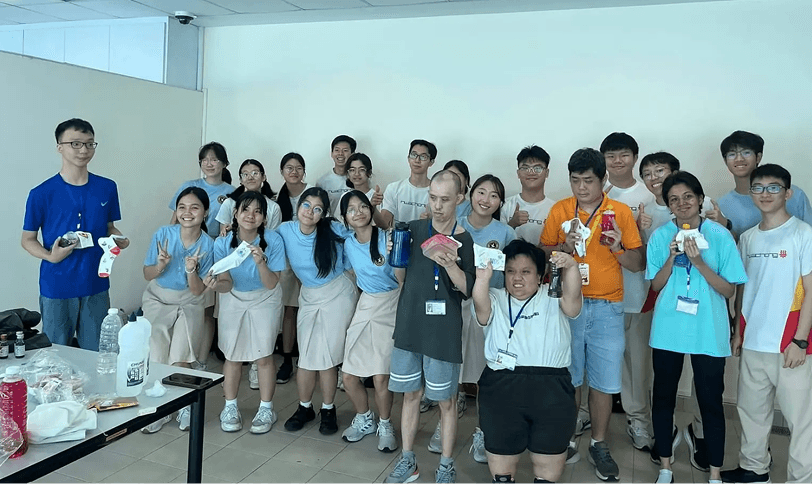
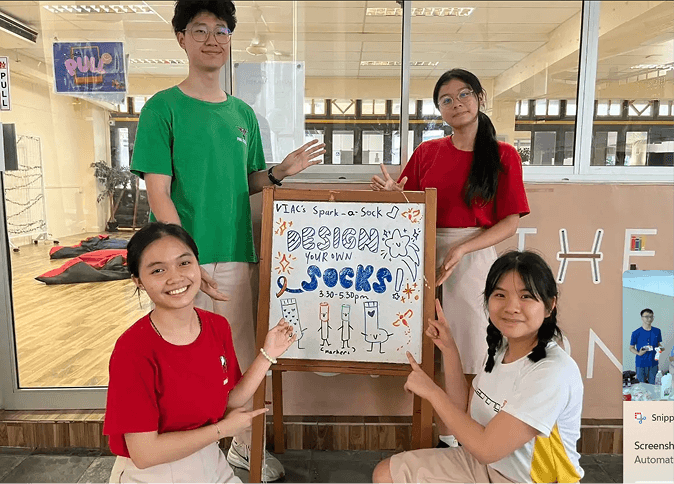
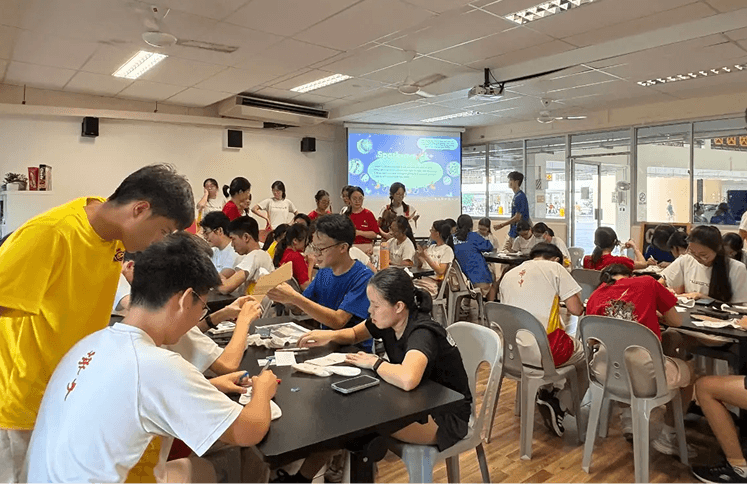
In Hwa Chong, VIAC enabled me to multiply service beyond my own hands. As an SL Mentor, I learned to empower peers to find ways of serving that matched both their strengths and beneficiaries’ needs. This became especially tangible in Batch Project 3, Spark in the Dark, where I helped pioneer VIAC’s first collaboration with MINDS. Seeing students rally around the colourful socks initiative and carnival reminded me that service is not simply about what I can give, but about creating spaces where others want to give too. As Website IC, I carried the same belief behind the scenes, turning the website into a living resource and archive so future students could navigate, learn from and build upon one another’s work. Whether mentoring projects or improving the systems behind them, I found purpose in nurturing a culture of giving that could outlast my individual contribution.
Food from the Heart
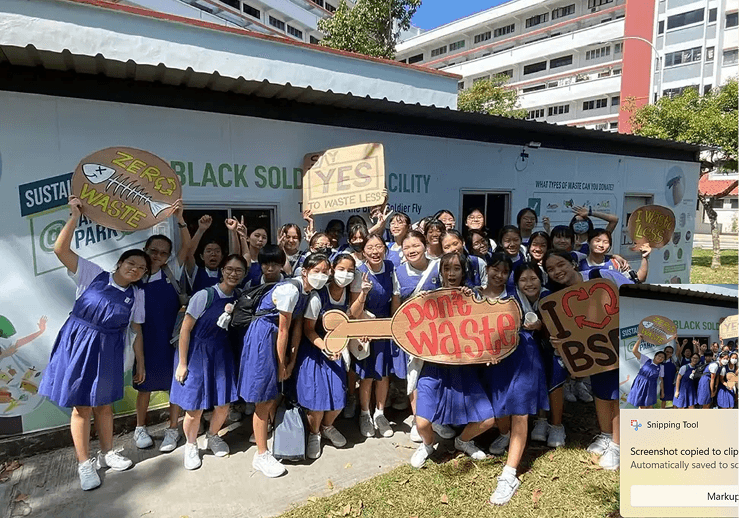
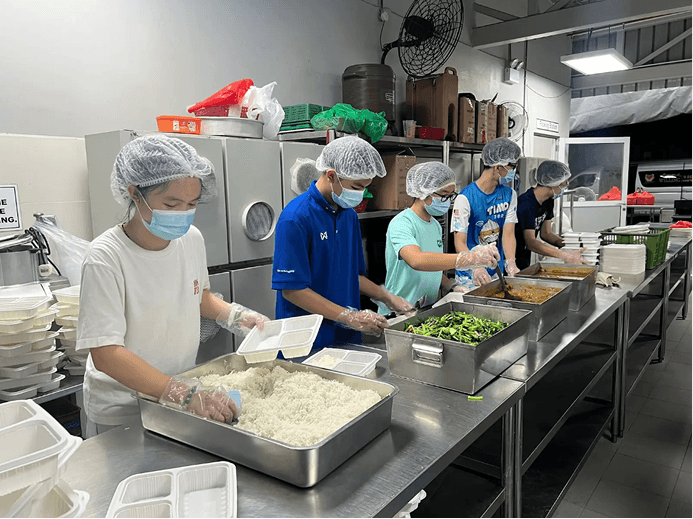
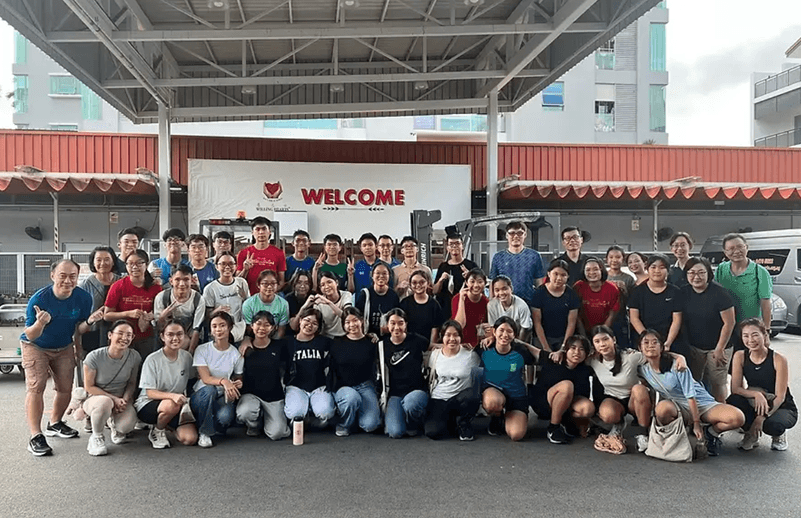
Being an environmental and humanitarian advocate, I remind myself that responsible consumption matters when others still go hungry. Inspired by a 2023 learning journey to a black soldier fly facility, my Sec 3 class collected near-expiry food for Food from the Heart, seeing how collective action can turn waste into nourishment. At Willing Hearts, serving meals to underprivileged families deepened this lesson: environmental responsibility and care for people are not separate causes, but shared acts of stewardship. Most meaningfully, these experiences showed me how service can bring people together around something larger than ourselves.